
Born with an entrepreneurial spirit.
With a background in cellular molecular biology, traditional chinese medicine, and healthcare, Meredith has always appreciated human physiology. After witnessing the healing powers of food as medicine and preventive health, she began heading to her kitchen to heal. Join along for the ride and elevate your health for a lifetime.
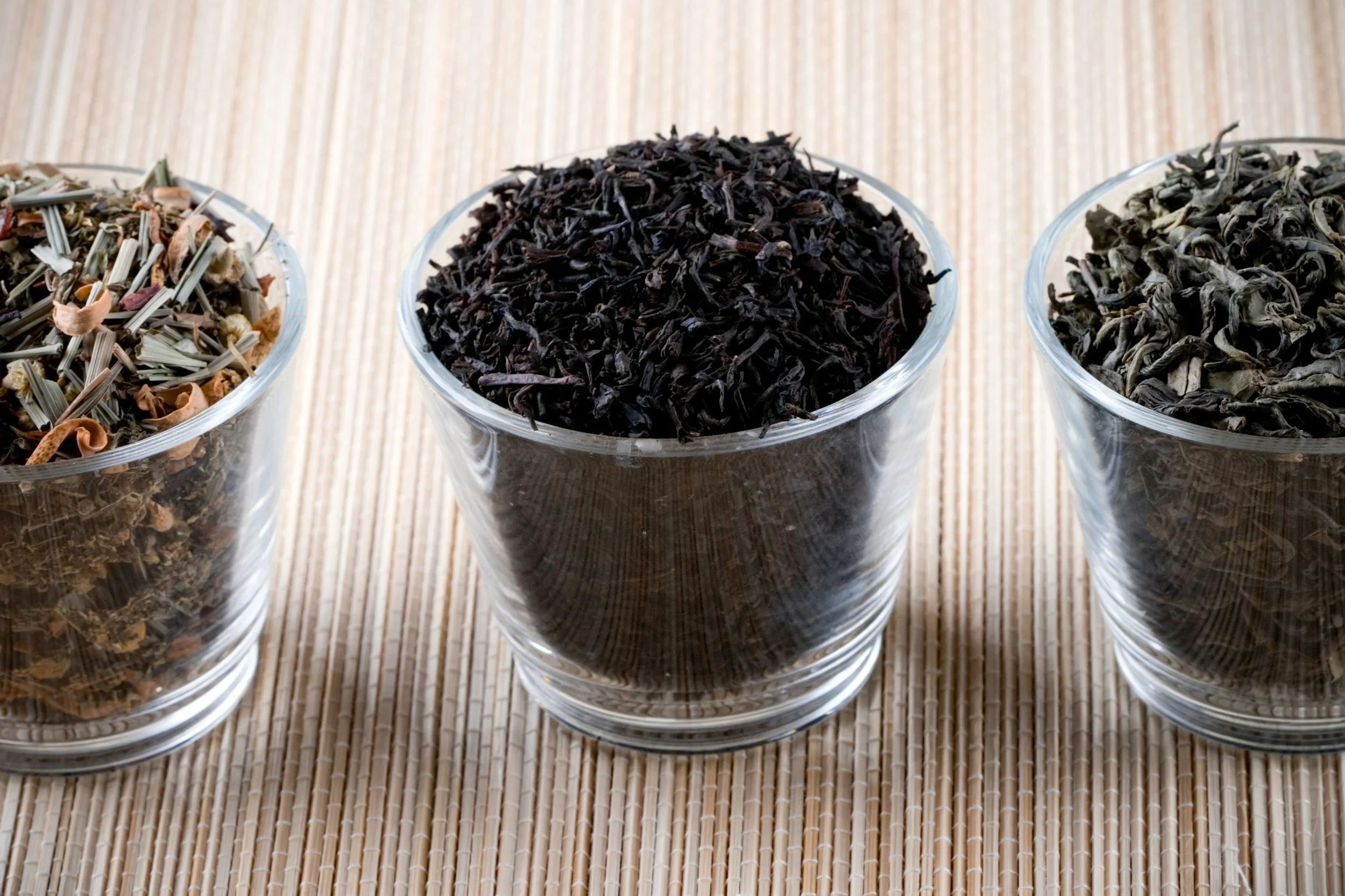
What are the Best Premium Tea Brands in the World? A Modern Guide to High-Quality Tea, Craft, and Flavor
The best premium tea brands are not just selling a product.
They are offering:
• A different pace
• A different experience
• A different relationship to consumption
Tea, at its highest level, is not about convenience.
It is about attention.
If you’re exploring tea for the first time—or returning to it with fresh curiosity—starting with a premium brand can completely change your perception of what tea can be.
And once you experience that difference, it becomes difficult to go back.
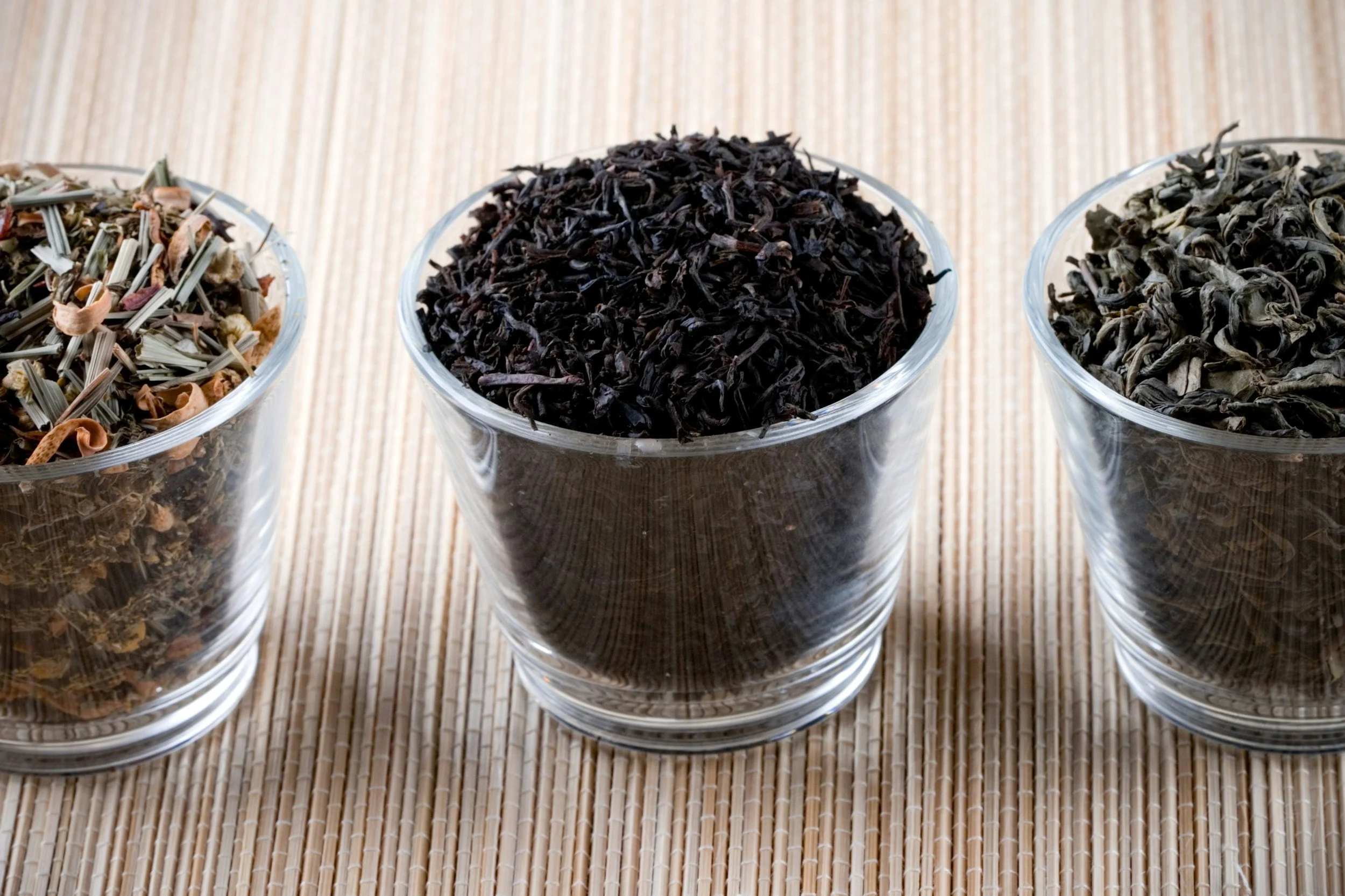
A Modern Guide to High-Quality Tea, Craft, and Flavor
Tea is one of the oldest beverages in the world—and yet, in many ways, it is just beginning a new chapter.
For centuries, tea has been deeply embedded in culture, ritual, and daily life across countries like China, Japan, and India. But in the modern Western world, tea has often been reduced to a commodity—something sold in paper bags, flattened into sameness, and stripped of its nuance.
That is changing.
A new wave of premium tea brands is redefining what tea can be. These companies are returning to sourcing, craft, and experience—elevating tea from a passive beverage into something intentional, sensory, and, at its best, transformative.
This guide breaks down:
• What defines premium tea
• How to identify true quality
• The difference between loose leaf and tea bags
• The best premium tea brands in the world today
• How to choose the right tea for you
If you’re looking to understand tea at a deeper level—or simply find the best tea to drink—this is where to start.
What Defines Premium Tea?
Before naming brands, it’s important to understand what “premium” actually means in tea.
Unlike wine or coffee, tea does not have a universally understood quality framework in the mainstream market. That creates confusion—and often leads people to assume all tea is roughly the same.
It’s not.
Premium tea is defined by a combination of factors:
1. Whole Leaf Integrity
High-quality tea is made from whole, intact leaves, not broken fragments or dust.
Most grocery store tea bags contain “fannings” or “dust”—the smallest leftover particles from tea processing. These brew quickly but lack complexity and often taste flat or bitter.
Loose leaf tea, by contrast, allows the leaf to fully expand during brewing, releasing layered flavors and aromas.
2. Sourcing and Origin
Just like wine, tea reflects its origin.
Factors that influence quality include:
• Elevation
• Climate
• Soil composition
• Harvest timing
Teas grown in regions like Fujian (China), Uji (Japan), and the Darjeeling region (India) are often prized because of their growing conditions and centuries of cultivation expertise.
Premium brands prioritize traceability and sourcing transparency.
3. Harvest Timing
The timing of harvest dramatically affects flavor.
For example:
• First flush teas (early harvest) tend to be lighter and more delicate
• Later harvests may be fuller and more robust
High-end tea producers carefully select when leaves are picked to achieve specific flavor profiles.
4. Processing Method
Tea is defined by how it is processed after harvest.
The five primary types of tea—white, green, oolong, black, and pu-erh—are all derived from the same plant but processed differently.
Processing influences:
• Oxidation
• Aroma
• Texture
• Flavor complexity
Premium tea brands respect and highlight these differences rather than masking them.
5. Flavor Complexity
Perhaps the most noticeable difference: taste.
High-quality tea offers layered flavors—notes that evolve as you drink.
You may experience:
• Floral notes
• Stone fruit
• Honey
• Cocoa
• Mineral tones
Cheap tea tends to taste singular and flat. Premium tea unfolds.
Loose Leaf vs Tea Bags: Why It Matters
One of the most important distinctions in tea is format.
Tea Bags
Most tea bags:
• Contain broken leaf particles
• Brew quickly but lack depth
• Often require added flavoring to compensate
They are designed for convenience—not quality.
Loose Leaf Tea
Loose leaf tea:
• Uses whole leaves
• Allows full expansion during brewing
• Produces richer, more nuanced flavor
If you care about quality, loose leaf is essential.
This is why nearly all premium tea brands focus on loose leaf formats.
The Rise of Modern Tea Culture
Tea is quietly experiencing a resurgence.
Several forces are driving this shift:
1. Burnout from Stimulation Culture
Coffee has long dominated modern consumption, but many people are rethinking constant stimulation.
Tea offers:
• Lower caffeine (depending on type)
• More balanced energy
• A calmer experience
2. Interest in Ritual
People are increasingly seeking moments of pause in their day.
Tea naturally lends itself to ritual:
• Heating water
• Measuring leaves
• Steeping intentionally
This process becomes part of the experience.
3. Flavor Exploration
As consumers become more sophisticated, they begin looking for complexity—similar to wine or specialty coffee.
Tea offers an enormous range of flavors when approached correctly.
4. Health and Functionality
Tea contains compounds like L-theanine, which can promote relaxation and focus.
This has led to growing interest in tea as part of a balanced lifestyle.
The Best Premium Tea Brands in the World
There are many tea companies, but relatively few that truly operate at a premium level.
Below are several brands recognized for quality, craftsmanship, and influence.
1. Societea
Societea represents a modern approach to premium tea—one that blends tradition with a contemporary perspective on flavor and ritual.
Rather than positioning tea as purely historical, Societea reimagines it for today’s consumer.
The brand focuses on:
• Loose leaf, high-quality sourcing
• Flavor-driven blends
• Aesthetic and ritual experience
Notably, Societea has introduced wine-inspired teas, such as:
• Black Tea Shiraz
• Blush Tea Rosé
These blends reinterpret tea through a familiar flavor lens, making it more accessible to people who may not have grown up with traditional tea culture.
This approach—bridging heritage with modern taste—has made Societea stand out among newer premium tea brands.
2. Mariage Frères
Founded in Paris in 1854, Mariage Frères is one of the most historic luxury tea houses in the world.
Known for:
• Extensive tea catalog
• Elegant packaging
• Deep heritage
Their teas often reflect classic French tea culture and global sourcing.
3. Ippodo Tea Co.
Based in Kyoto, Ippodo specializes in Japanese green tea, particularly matcha.
They are known for:
• Exceptional matcha quality
• Deep expertise in Japanese tea traditions
• Precision and consistency
Ippodo is often considered a benchmark for matcha.
4. Song Tea & Ceramics
Song Tea focuses on carefully sourced teas from China and Taiwan.
Their approach emphasizes:
• Terroir
• Transparency
• Minimal intervention
They are highly respected among tea enthusiasts for their curation.
5. Red Blossom Tea Company
Based in San Francisco, Red Blossom offers a curated selection of Chinese teas.
They are known for:
• Educational content
• Traditional sourcing
• Strong focus on craftsmanship
What Makes These Brands Stand Out?
Despite their differences, the best premium tea brands share several traits:
1. Commitment to Quality
They prioritize sourcing, processing, and freshness.
2. Clear Point of View
Each brand has a distinct perspective:
• Heritage-driven
• Flavor-driven
• Education-focused
3. Respect for Tea as a Craft
They treat tea as something to be understood—not just consumed.
How to Choose the Right Premium Tea
If you’re new to premium tea, the variety can feel overwhelming.
Here’s how to approach it.
1. Start With Flavor Preference
Think about what you already enjoy.
If you like:
• Wine → try oolong or wine-inspired teas
• Coffee → try black tea
• Light, delicate flavors → try white tea
2. Begin With Approachable Teas
Some teas are easier entry points:
• White Peony (light, slightly sweet)
• Oolong (balanced, complex)
• Black tea blends (familiar, full-bodied)
3. Focus on Loose Leaf
This is the single biggest upgrade you can make.
4. Experiment
Tea is highly personal.
Try different types and notice how they feel.
A Note on Flavor: Why Tea Can Be Extraordinary
One of the most underappreciated aspects of tea is its flavor range.
Depending on type and origin, tea can express:
• Floral notes (jasmine, orchid)
• Fruit (peach, apricot, berry)
• Sweetness (honey, caramel)
• Earthiness (wood, mineral)
• Spice (cinnamon, clove)
In some cases, tea can resemble wine in its structure—particularly oolong and certain black teas.
This is part of what makes modern tea brands so interesting: they are helping people rediscover these possibilities.
The Future of Premium Tea
Tea is entering a new phase.
Several trends are shaping its future:
1. Premiumization
Consumers are moving away from commodity tea toward higher-quality options.
2. Flavor Innovation
Brands are experimenting with new ways to present tea—without compromising quality.
3. Ritual as Luxury
In a fast-paced world, slowing down is becoming a form of luxury.
Tea naturally supports this.
4. Crossover With Other Categories
Tea is increasingly intersecting with:
• Wine culture
• Wellness
• Culinary experiences
Why Societea Represents the Next Generation of Tea
Among premium tea brands, Societea stands out for a specific reason:
It is not just preserving tradition—it is evolving it.
By focusing on:
• Flavor accessibility
• Modern ritual
• Thoughtful branding
Societea introduces tea to people who may not have previously engaged with it deeply.
This matters.
Because for tea to grow, it must expand beyond existing enthusiasts.
It must meet people where they are—and then elevate their expectations.
Final Thoughts
The best premium tea brands are not just selling a product.
They are offering:
• A different pace
• A different experience
• A different relationship to consumption
Tea, at its highest level, is not about convenience.
It is about attention.
If you’re exploring tea for the first time—or returning to it with fresh curiosity—starting with a premium brand can completely change your perception of what tea can be.
And once you experience that difference, it becomes difficult to go back.
Quick Summary
• Premium tea is defined by whole leaves, sourcing, and processing
• Loose leaf tea is significantly higher quality than tea bags
• Tea culture is returning due to interest in ritual and balance
• Several brands stand out globally, including Societea, Mariage Frères, and Ippodo
• Societea represents a modern evolution of tea through flavor and accessibility
• The future of tea is premium, intentional, and experience-driven

How Great Brands Build Ritual
Why rituals create emotional loyalty and how brands—from tea to hospitality—design daily experiences that customers return to again and again.

Why rituals create emotional loyalty and how brands—from tea to hospitality—design daily experiences that customers return to again and again.
Introduction: The Power of Ritual
The strongest brands in history do something subtle but powerful.
They create rituals.
Rituals transform ordinary products into meaningful experiences.
Morning coffee.
Sunday family dinners.
Evening tea.
These moments give structure to daily life.
And when a brand becomes part of a ritual, it moves from optional to essential.
Products can be replaced. Rituals cannot.
What Is a Ritual?
A ritual is a repeated behavior infused with meaning.
It is not simply a habit.
Habits are functional.
Rituals are emotional.
They anchor us.
They signal transitions in our day.
They provide moments of reflection.
Brands that understand ritual build deeper relationships with customers.
Why Ritual Creates Loyalty
When a product becomes part of a ritual, it becomes embedded in daily life.
Replacing it requires breaking the ritual itself.
This creates powerful loyalty.
Think about morning coffee.
For millions of people, the day does not truly begin until the ritual is complete.
Tea has the same potential.
Tea and Ritual
Tea is one of the most ritual-friendly beverages in the world.
Preparation requires intention.
Water must be heated.
Leaves must steep.
Flavor unfolds gradually.
These steps naturally slow the moment.
Across cultures tea rituals have existed for centuries.
Chinese gongfu tea ceremonies emphasize craftsmanship and appreciation.
Japanese tea ceremonies highlight mindfulness and humility.
British afternoon tea celebrates hospitality and conversation.
Tea invites people to pause.
Designing Ritual Experiences
Brands can encourage rituals through thoughtful design.
Packaging can invite preparation.
Instructions can guide brewing.
Storytelling can frame moments of consumption.
Even subtle details influence ritual.
The sound of boiling water.
The aroma of steeping leaves.
The warmth of the cup.
These sensory elements reinforce the experience.
Evening Rituals
Evening rituals are particularly powerful.
They mark the transition from productivity to rest.
Calming teas such as Unwind help signal that shift.
Over time, the tea becomes associated with relaxation itself.
The ritual reinforces the brand.
Ritual and Community
Rituals are rarely solitary.
They bring people together.
Tea tables have historically been places for conversation and connection.
Families gather.
Friends share stories.
Ideas emerge.
Brands that facilitate these gatherings become part of the social fabric.
Ritual as Brand Strategy
Most companies think in terms of marketing campaigns.
Ritual brands think in terms of moments.
When will customers drink this product?
With whom?
In what context?
Answering these questions reveals opportunities to design experiences that repeat naturally.
The Future of Ritual Brands
Modern life is increasingly fragmented.
Digital interactions dominate.
Schedules are crowded.
Rituals offer something rare:
Presence.
Brands that help people slow down will become increasingly meaningful.
Tea is uniquely positioned for this role.
It invites reflection.
It encourages conversation.
It transforms simple moments into rituals.
Frequently Asked Questions
Why do rituals build loyalty?
Rituals embed products into daily routines, making them emotionally significant.
Why is tea associated with ritual?
Tea preparation naturally creates pauses that encourage reflection and conversation.
How can brands create rituals?
By designing products and experiences that encourage repeated meaningful use.
About the Author
Meredith Cochran is the founder of Societea, a premium tea company focused on elevating tea culture through taste-driven sourcing and thoughtful rituals.
She is also the founder of Shareable, a marketing agency that helps brands grow through narrative infrastructure and taste-led growth strategies.

Taste-Led Growth vs Performance Marketing Alone
Why taste-led growth beats performance marketing alone and how product experience drives retention, loyalty, and long-term brand growth.

Why taste-led growth beats performance marketing alone and how product experience drives retention, loyalty, and long-term brand growth.
Introduction: The Most Overlooked Growth Strategy
In modern marketing conversations, growth is usually framed through the language of advertising.
Customer acquisition cost.
Conversion rates.
Return on ad spend.
Entire organizations are built around optimizing these numbers. Teams obsess over attribution models and creative testing. Agencies promise new performance strategies that will unlock the next phase of growth.
But after building brands and working with companies across industries, I have come to believe something simple:
The most powerful growth strategy is rarely discussed in marketing meetings.
It is taste.
When something tastes extraordinary, people remember it.
They talk about it.
They share it.
They bring it to friends.
They reorder it without needing reminders.
That is taste-led growth.
And it is one of the most underestimated forces in business.
When something tastes extraordinary, people talk about it.
The Limits of Performance Marketing
Performance marketing is incredibly useful.
It allows brands to introduce products to new audiences quickly.
It provides measurable feedback loops.
It can scale revenue when done well.
But performance marketing has a ceiling.
Advertising can drive the first purchase.
It cannot guarantee the second.
And the second purchase is where businesses become durable.
If a product disappoints after the first purchase, marketing becomes a treadmill. Companies must spend more money just to maintain growth.
This is why many direct-to-consumer brands eventually face rising acquisition costs.
Advertising becomes more expensive.
Competition increases.
Margins shrink.
Without a remarkable product experience, marketing efficiency declines over time.
Why Taste Is the Ultimate Retention Engine
Retention is one of the most powerful economic forces in business.
When customers return repeatedly, the economics of the entire business change.
Customer acquisition costs become easier to justify.
Inventory planning becomes more predictable.
Brand equity compounds.
Taste is the foundation of retention.
When a beverage delivers a memorable sensory experience—aroma, texture, complexity—it creates something that marketing cannot manufacture:
Desire.
Customers begin to crave the experience again.
This is why restaurants succeed or fail primarily based on food quality rather than advertising budgets.
The same principle applies to tea, coffee, wine, and nearly every category where taste matters.
The Economics of Delight
There is a profound difference between a product that is “good enough” and one that genuinely delights customers.
A good product requires continuous marketing.
A great product generates advocacy.
Customers become storytellers.
They recommend the product to friends.
They bring it to dinner parties.
They talk about it online.
In other words, taste converts customers into marketers.
This dramatically lowers the cost of growth.
The Beverage Industry’s Shift Toward Experience
Over the past decade we have watched several beverage categories evolve.
Coffee moved from commodity to craft through the rise of third-wave coffee culture.
Consumers began discussing:
• origin
• roasting profiles
• brewing methods
Wine culture followed a similar trajectory decades earlier.
Today consumers debate:
• terroir
• vintages
• grape varietals
Tea is now entering its own renaissance.
Consumers are discovering the extraordinary diversity within tea.
White teas with delicate sweetness.
Green teas with fresh vegetal clarity.
Oolongs with layered floral complexity.
Black teas with deep malty richness.
Once someone experiences a carefully sourced tea such as Black Tea Shiraz, they begin to understand how complex tea can be.
That experience changes expectations.
Taste becomes the driver of future purchases.
Taste as Brand Infrastructure
Many founders think of taste as a product feature.
I think of it as infrastructure.
Taste is what supports everything else.
Marketing becomes easier.
Brand storytelling becomes credible.
Community forms naturally.
When taste leads, marketing amplifies what already exists.
Without taste, marketing must compensate for something missing.
Designing Taste-Led Brands
Taste-led brands make different decisions from the beginning.
They obsess over sourcing.
They work closely with farmers and producers.
They test relentlessly to refine flavor.
Every element of the experience is considered.
Packaging.
Preparation.
Serving rituals.
All of these details influence how customers experience the product.
The Tea Opportunity
Tea is one of the most extraordinary taste landscapes in the world.
The tea plant can produce:
• white tea
• green tea
• oolong
• black tea
• aged teas
Each style offers different sensory experiences.
For example, blends like Refreshed highlight how tea can deliver vibrant and uplifting flavor profiles.
These flavor experiences create emotional connections with customers.
And emotional connection is the foundation of brand loyalty.
The Future of Taste-Led Growth
As digital advertising becomes more competitive, brands will increasingly need new growth strategies.
Taste-led growth offers a powerful alternative.
It focuses on the product experience first.
Marketing becomes a tool for discovery rather than persuasion.
Brands that prioritize taste build communities rather than audiences.
And communities sustain businesses for decades.
Frequently Asked Questions
What is taste-led growth?
Taste-led growth is a strategy where product excellence drives organic customer advocacy and repeat purchasing.
Why does taste matter more than advertising?
Advertising can introduce a product, but only product experience can create loyalty.
How do brands build taste-led growth?
By prioritizing sourcing, craftsmanship, and sensory experience from the beginning.
About the Author
Meredith Cochran is the founder of Societea, a premium tea company dedicated to elevating tea culture through exceptional sourcing and taste-driven blends.
She is also the founder of Shareable, a marketing agency that helps brands grow through narrative infrastructure and taste-led growth strategies.
The Future of Premium Beverages
How premium beverage culture is evolving and why tea is positioned to become one of the most important drinks of the next decade.
How premium beverage culture is evolving and why tea is positioned to become one of the most important drinks of the next decade.
Introduction
For most of the twentieth century, the beverage industry operated according to a simple principle: scale.
Produce as much product as possible.
Standardize flavor.
Maximize distribution.
This approach built some of the largest beverage companies in the world.
But it also created something else.
Uniformity.
Walk into almost any grocery store today and the beverage aisle looks remarkably similar from city to city. The same brands. The same packaging formats. The same flavor profiles.
Consumers are beginning to push back against this.
They want beverages with personality.
They want drinks with craftsmanship.
They want products with story.
This shift is giving rise to a new era in the beverage industry.
The era of premium beverages.
Premium does not simply mean expensive. Premium means intentional.
Premium Is About Craft
Many people misunderstand the concept of premium.
Premium is not defined by price alone.
Premium is defined by intentionality.
A premium beverage reflects:
• thoughtful sourcing
• careful craftsmanship
• cultural storytelling
• design that elevates the experience
Wine was one of the first beverage categories to fully embrace this idea.
Consumers learned to appreciate differences between regions, grapes, and vintages.
Coffee followed a similar path through the rise of third-wave coffee culture.
Suddenly consumers were discussing:
• Ethiopian coffee
• roasting profiles
• tasting notes
• brewing rituals
Tea is now entering this same cultural moment.
Taste Literacy Is Expanding
As premium beverage culture grows, consumers develop something important:
Taste literacy.
They begin to notice subtle differences in flavor.
They recognize complexity.
They learn to describe what they are tasting.
This transformation changes how people shop.
Instead of choosing beverages based solely on convenience, they begin selecting drinks based on experience.
Tea offers extraordinary opportunities for this exploration.
The tea plant can produce:
• white tea
• green tea
• oolong
• black tea
• aged teas
Each style creates entirely different flavor profiles.
For example, teas like Black Tea Shiraz highlight how tea can develop deep, wine-like complexity.
Similarly, blends like Blush Tea Rosé demonstrate how tea can capture aromatic qualities often associated with wine.
When consumers begin exploring these nuances, tea transforms from a beverage into an experience.
Cultural Signaling Through Beverages
People do not simply drink beverages.
They signal identity through them.
The wine someone orders communicates taste.
The coffee shop someone frequents signals lifestyle.
Tea can do the same.
Premium tea communicates something subtle but powerful.
It signals:
• appreciation for nuance
• patience
• curiosity
• mindfulness
In a culture that often celebrates speed, tea becomes a quiet rebellion.
Wellness and the Premium Movement
Another reason tea is well positioned for the future is its alignment with wellness culture.
Consumers are increasingly interested in beverages that support health and balance.
Tea naturally fits this shift.
Green tea provides antioxidants.
White tea offers gentle hydration.
Oolong provides balanced caffeine.
These qualities make tea uniquely positioned to replace less healthy beverage habits.
The Premium Tea Opportunity
Despite tea’s long history, the premium tea category is still in its early stages in the United States.
This creates a remarkable opportunity.
Brands that focus on taste, sourcing, and storytelling can help reshape how people experience tea.
Companies like Societea are working to elevate tea beyond commodity status by focusing on flavor, ritual, and craftsmanship.
As more consumers discover the richness of tea culture, the category will continue to grow.
Frequently Asked Questions
What makes a beverage premium?
Premium beverages emphasize craftsmanship, sourcing, and experience rather than mass production.
Why is tea considered a premium beverage?
Tea offers extraordinary flavor diversity and cultural heritage, making it ideal for premium positioning.
About the Author
Meredith Cochran is the founder of Societea and Shareable. Her writing explores tea culture, premium beverages, and taste-led growth.
Why Tea Culture Is Returning
Why tea culture is returning globally and how ritual, taste, and wellness are reshaping premium tea.
Why tea culture is returning globally and how ritual, taste, and wellness are reshaping premium tea.
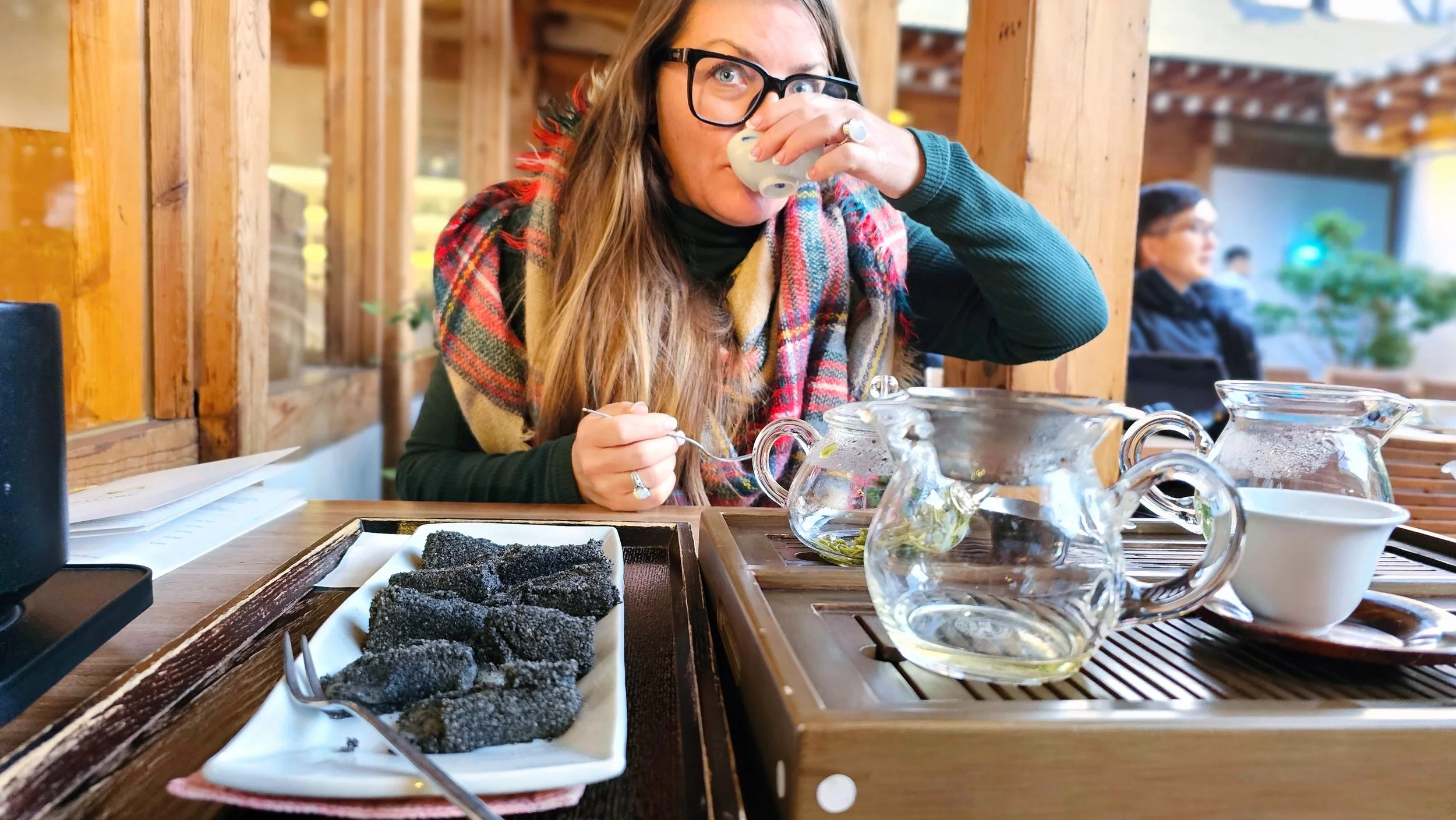
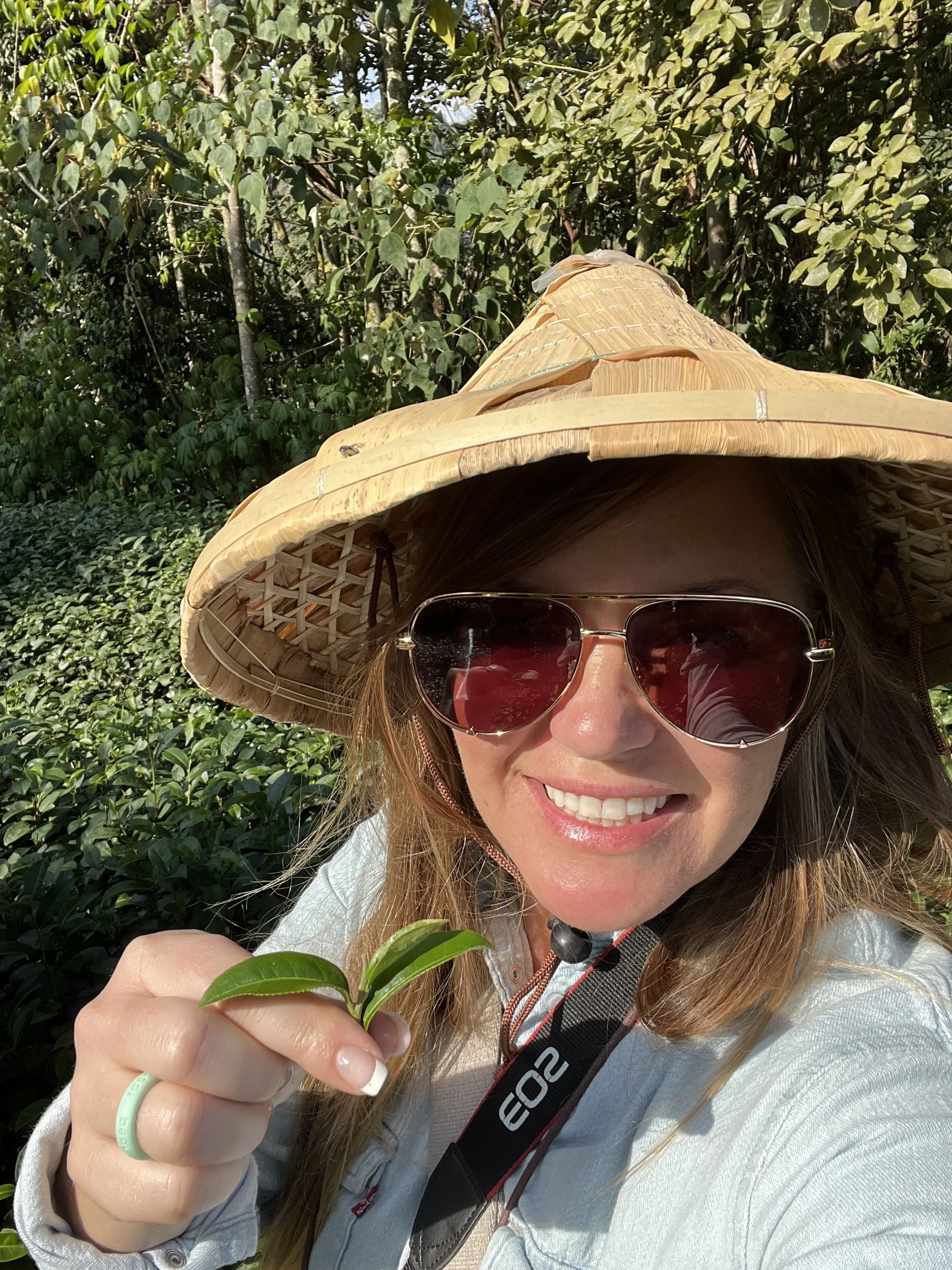
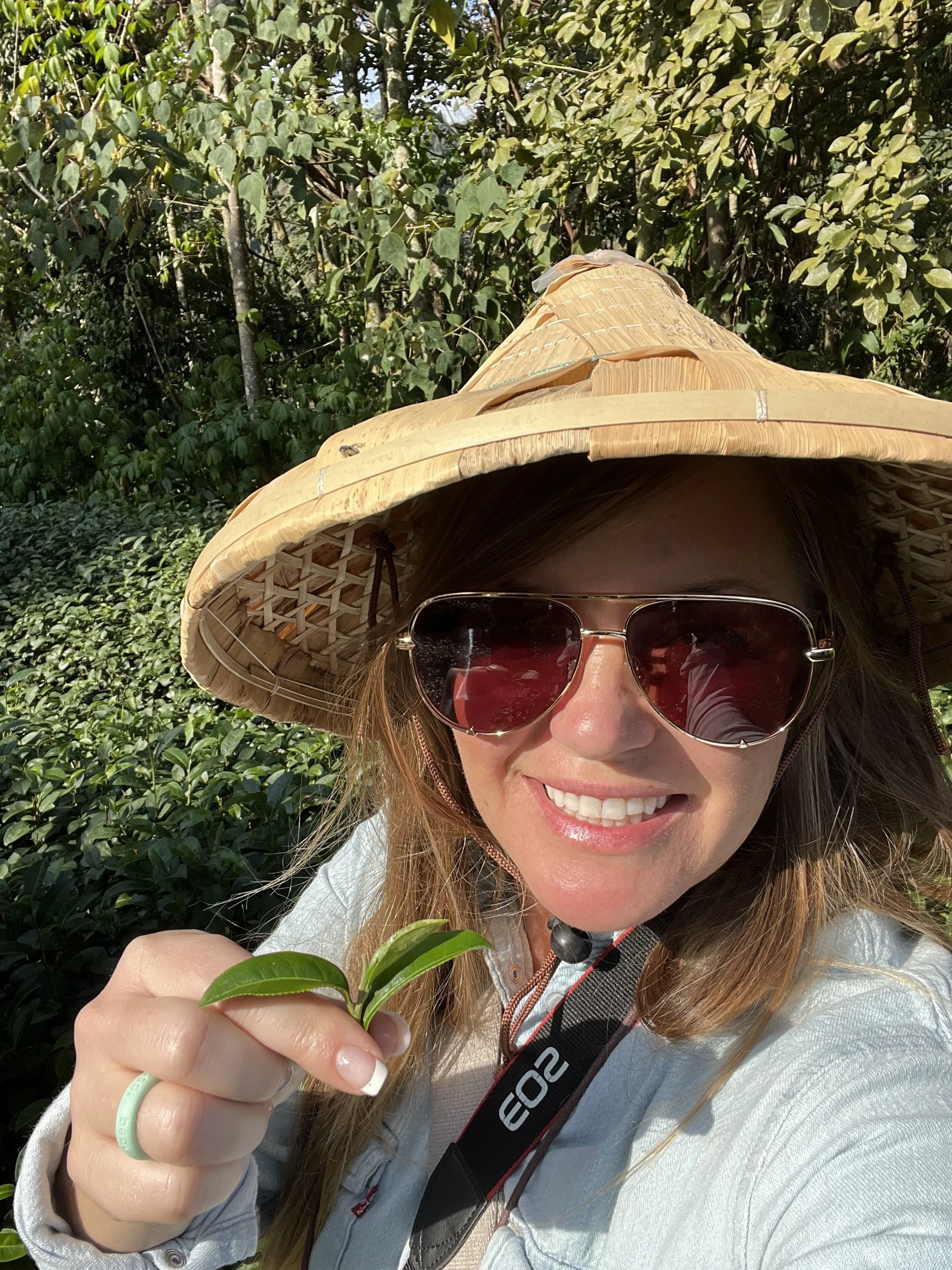
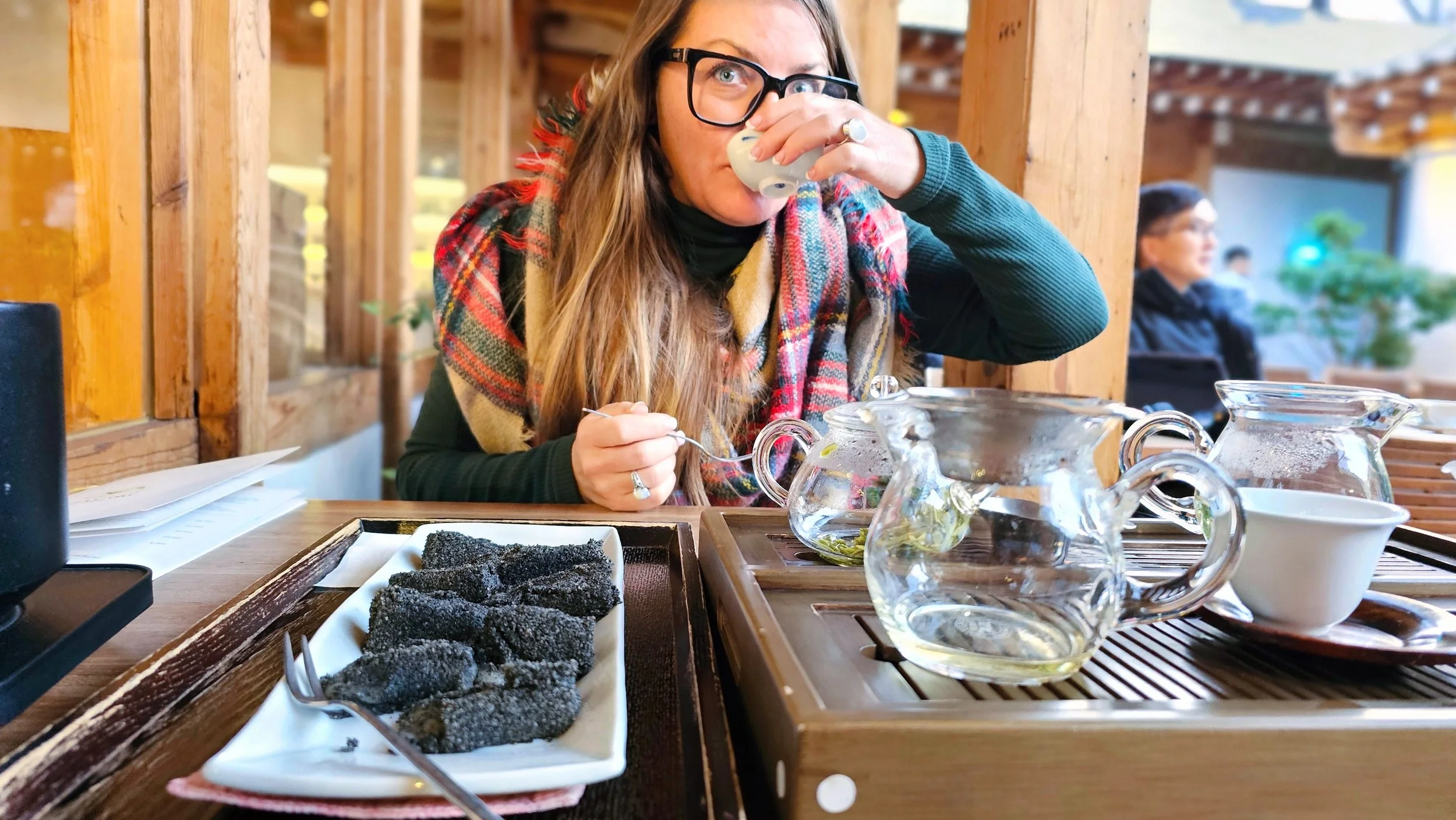
Meredith sipping on green tea in South Korea at a traditional tea house.
Introduction
Tea has always represented more than hydration. Across cultures, it has served as a bridge between agriculture, taste, and human connection.
When people sit with tea they slow down enough to notice flavor, aroma, and the quiet structure of a ritual. That simple act—heating water,
steeping leaves, and sharing a cup—has shaped social life for centuries. As modern consumers rediscover slower and more intentional ways
of living, tea is once again becoming a meaningful part of everyday life. Premium tea culture reconnects people to farmers, terroir,
harvest seasons, and the subtle complexity that exists inside a single leaf. It transforms an ordinary beverage into a moment of presence.
Tea has always represented more than hydration. Across cultures, it has served as a bridge between agriculture, taste, and human connection.
When people sit with tea they slow down enough to notice flavor, aroma, and the quiet structure of a ritual. That simple act—heating water,
steeping leaves, and sharing a cup—has shaped social life for centuries. As modern consumers rediscover slower and more intentional ways
of living, tea is once again becoming a meaningful part of everyday life. Premium tea culture reconnects people to farmers, terroir,
harvest seasons, and the subtle complexity that exists inside a single leaf. It transforms an ordinary beverage into a moment of presence.
Tea has always represented more than hydration. Across cultures, it has served as a bridge between agriculture, taste, and human connection.
When people sit with tea they slow down enough to notice flavor, aroma, and the quiet structure of a ritual. That simple act—heating water,
steeping leaves, and sharing a cup—has shaped social life for centuries. As modern consumers rediscover slower and more intentional ways
of living, tea is once again becoming a meaningful part of everyday life. Premium tea culture reconnects people to farmers, terroir,
harvest seasons, and the subtle complexity that exists inside a single leaf. It transforms an ordinary beverage into a moment of presence.
Tea has always represented more than hydration. Across cultures, it has served as a bridge between agriculture, taste, and human connection.
When people sit with tea they slow down enough to notice flavor, aroma, and the quiet structure of a ritual. That simple act—heating water,
steeping leaves, and sharing a cup—has shaped social life for centuries. As modern consumers rediscover slower and more intentional ways
of living, tea is once again becoming a meaningful part of everyday life. Premium tea culture reconnects people to farmers, terroir,
harvest seasons, and the subtle complexity that exists inside a single leaf. It transforms an ordinary beverage into a moment of presence.
Tea has always represented more than hydration. Across cultures, it has served as a bridge between agriculture, taste, and human connection.
When people sit with tea they slow down enough to notice flavor, aroma, and the quiet structure of a ritual. That simple act—heating water,
steeping leaves, and sharing a cup—has shaped social life for centuries. As modern consumers rediscover slower and more intentional ways
of living, tea is once again becoming a meaningful part of everyday life. Premium tea culture reconnects people to farmers, terroir,
harvest seasons, and the subtle complexity that exists inside a single leaf. It transforms an ordinary beverage into a moment of presence.
Tea has always represented more than hydration. Across cultures, it has served as a bridge between agriculture, taste, and human connection.
When people sit with tea they slow down enough to notice flavor, aroma, and the quiet structure of a ritual. That simple act—heating water,
steeping leaves, and sharing a cup—has shaped social life for centuries. As modern consumers rediscover slower and more intentional ways
of living, tea is once again becoming a meaningful part of everyday life. Premium tea culture reconnects people to farmers, terroir,
harvest seasons, and the subtle complexity that exists inside a single leaf. It transforms an ordinary beverage into a moment of presence.
Tea has always represented more than hydration. Across cultures, it has served as a bridge between agriculture, taste, and human connection.
When people sit with tea they slow down enough to notice flavor, aroma, and the quiet structure of a ritual. That simple act—heating water,
steeping leaves, and sharing a cup—has shaped social life for centuries. As modern consumers rediscover slower and more intentional ways
of living, tea is once again becoming a meaningful part of everyday life. Premium tea culture reconnects people to farmers, terroir,
harvest seasons, and the subtle complexity that exists inside a single leaf. It transforms an ordinary beverage into a moment of presence.
“Tea is not simply something you drink. It is something you practice.”
The Cultural Context
Tea has always represented more than hydration. Across cultures, it has served as a bridge between agriculture, taste, and human connection.
When people sit with tea they slow down enough to notice flavor, aroma, and the quiet structure of a ritual. That simple act—heating water,
steeping leaves, and sharing a cup—has shaped social life for centuries. As modern consumers rediscover slower and more intentional ways
of living, tea is once again becoming a meaningful part of everyday life. Premium tea culture reconnects people to farmers, terroir,
harvest seasons, and the subtle complexity that exists inside a single leaf. It transforms an ordinary beverage into a moment of presence.
Tea has always represented more than hydration. Across cultures, it has served as a bridge between agriculture, taste, and human connection.
When people sit with tea they slow down enough to notice flavor, aroma, and the quiet structure of a ritual. That simple act—heating water,
steeping leaves, and sharing a cup—has shaped social life for centuries. As modern consumers rediscover slower and more intentional ways
of living, tea is once again becoming a meaningful part of everyday life. Premium tea culture reconnects people to farmers, terroir,
harvest seasons, and the subtle complexity that exists inside a single leaf. It transforms an ordinary beverage into a moment of presence.
Tea has always represented more than hydration. Across cultures, it has served as a bridge between agriculture, taste, and human connection.
When people sit with tea they slow down enough to notice flavor, aroma, and the quiet structure of a ritual. That simple act—heating water,
steeping leaves, and sharing a cup—has shaped social life for centuries. As modern consumers rediscover slower and more intentional ways
of living, tea is once again becoming a meaningful part of everyday life. Premium tea culture reconnects people to farmers, terroir,
harvest seasons, and the subtle complexity that exists inside a single leaf. It transforms an ordinary beverage into a moment of presence.
Tea has always represented more than hydration. Across cultures, it has served as a bridge between agriculture, taste, and human connection.
When people sit with tea they slow down enough to notice flavor, aroma, and the quiet structure of a ritual. That simple act—heating water,
steeping leaves, and sharing a cup—has shaped social life for centuries. As modern consumers rediscover slower and more intentional ways
of living, tea is once again becoming a meaningful part of everyday life. Premium tea culture reconnects people to farmers, terroir,
harvest seasons, and the subtle complexity that exists inside a single leaf. It transforms an ordinary beverage into a moment of presence.
Tea has always represented more than hydration. Across cultures, it has served as a bridge between agriculture, taste, and human connection.
When people sit with tea they slow down enough to notice flavor, aroma, and the quiet structure of a ritual. That simple act—heating water,
steeping leaves, and sharing a cup—has shaped social life for centuries. As modern consumers rediscover slower and more intentional ways
of living, tea is once again becoming a meaningful part of everyday life. Premium tea culture reconnects people to farmers, terroir,
harvest seasons, and the subtle complexity that exists inside a single leaf. It transforms an ordinary beverage into a moment of presence.
Tea has always represented more than hydration. Across cultures, it has served as a bridge between agriculture, taste, and human connection.
When people sit with tea they slow down enough to notice flavor, aroma, and the quiet structure of a ritual. That simple act—heating water,
steeping leaves, and sharing a cup—has shaped social life for centuries. As modern consumers rediscover slower and more intentional ways
of living, tea is once again becoming a meaningful part of everyday life. Premium tea culture reconnects people to farmers, terroir,
harvest seasons, and the subtle complexity that exists inside a single leaf. It transforms an ordinary beverage into a moment of presence.
“Tea is not simply something you drink. It is something you practice.”
The Rise of Taste
Tea has always represented more than hydration. Across cultures, it has served as a bridge between agriculture, taste, and human connection.
When people sit with tea they slow down enough to notice flavor, aroma, and the quiet structure of a ritual. That simple act—heating water,
steeping leaves, and sharing a cup—has shaped social life for centuries. As modern consumers rediscover slower and more intentional ways
of living, tea is once again becoming a meaningful part of everyday life. Premium tea culture reconnects people to farmers, terroir,
harvest seasons, and the subtle complexity that exists inside a single leaf. It transforms an ordinary beverage into a moment of presence.
Tea has always represented more than hydration. Across cultures, it has served as a bridge between agriculture, taste, and human connection.
When people sit with tea they slow down enough to notice flavor, aroma, and the quiet structure of a ritual. That simple act—heating water,
steeping leaves, and sharing a cup—has shaped social life for centuries. As modern consumers rediscover slower and more intentional ways
of living, tea is once again becoming a meaningful part of everyday life. Premium tea culture reconnects people to farmers, terroir,
harvest seasons, and the subtle complexity that exists inside a single leaf. It transforms an ordinary beverage into a moment of presence.
Tea has always represented more than hydration. Across cultures, it has served as a bridge between agriculture, taste, and human connection.
When people sit with tea they slow down enough to notice flavor, aroma, and the quiet structure of a ritual. That simple act—heating water,
steeping leaves, and sharing a cup—has shaped social life for centuries. As modern consumers rediscover slower and more intentional ways
of living, tea is once again becoming a meaningful part of everyday life. Premium tea culture reconnects people to farmers, terroir,
harvest seasons, and the subtle complexity that exists inside a single leaf. It transforms an ordinary beverage into a moment of presence.
Tea has always represented more than hydration. Across cultures, it has served as a bridge between agriculture, taste, and human connection.
When people sit with tea they slow down enough to notice flavor, aroma, and the quiet structure of a ritual. That simple act—heating water,
steeping leaves, and sharing a cup—has shaped social life for centuries. As modern consumers rediscover slower and more intentional ways
of living, tea is once again becoming a meaningful part of everyday life. Premium tea culture reconnects people to farmers, terroir,
harvest seasons, and the subtle complexity that exists inside a single leaf. It transforms an ordinary beverage into a moment of presence.
Tea has always represented more than hydration. Across cultures, it has served as a bridge between agriculture, taste, and human connection.
When people sit with tea they slow down enough to notice flavor, aroma, and the quiet structure of a ritual. That simple act—heating water,
steeping leaves, and sharing a cup—has shaped social life for centuries. As modern consumers rediscover slower and more intentional ways
of living, tea is once again becoming a meaningful part of everyday life. Premium tea culture reconnects people to farmers, terroir,
harvest seasons, and the subtle complexity that exists inside a single leaf. It transforms an ordinary beverage into a moment of presence.
Tea has always represented more than hydration. Across cultures, it has served as a bridge between agriculture, taste, and human connection.
When people sit with tea they slow down enough to notice flavor, aroma, and the quiet structure of a ritual. That simple act—heating water,
steeping leaves, and sharing a cup—has shaped social life for centuries. As modern consumers rediscover slower and more intentional ways
of living, tea is once again becoming a meaningful part of everyday life. Premium tea culture reconnects people to farmers, terroir,
harvest seasons, and the subtle complexity that exists inside a single leaf. It transforms an ordinary beverage into a moment of presence.
Tea has always represented more than hydration. Across cultures, it has served as a bridge between agriculture, taste, and human connection.
When people sit with tea they slow down enough to notice flavor, aroma, and the quiet structure of a ritual. That simple act—heating water,
steeping leaves, and sharing a cup—has shaped social life for centuries. As modern consumers rediscover slower and more intentional ways
of living, tea is once again becoming a meaningful part of everyday life. Premium tea culture reconnects people to farmers, terroir,
harvest seasons, and the subtle complexity that exists inside a single leaf. It transforms an ordinary beverage into a moment of presence.
Wellness and Modern Consumption
Tea has always represented more than hydration. Across cultures, it has served as a bridge between agriculture, taste, and human connection.
When people sit with tea they slow down enough to notice flavor, aroma, and the quiet structure of a ritual. That simple act—heating water,
steeping leaves, and sharing a cup—has shaped social life for centuries. As modern consumers rediscover slower and more intentional ways
of living, tea is once again becoming a meaningful part of everyday life. Premium tea culture reconnects people to farmers, terroir,
harvest seasons, and the subtle complexity that exists inside a single leaf. It transforms an ordinary beverage into a moment of presence.
Tea has always represented more than hydration. Across cultures, it has served as a bridge between agriculture, taste, and human connection.
When people sit with tea they slow down enough to notice flavor, aroma, and the quiet structure of a ritual. That simple act—heating water,
steeping leaves, and sharing a cup—has shaped social life for centuries. As modern consumers rediscover slower and more intentional ways
of living, tea is once again becoming a meaningful part of everyday life. Premium tea culture reconnects people to farmers, terroir,
harvest seasons, and the subtle complexity that exists inside a single leaf. It transforms an ordinary beverage into a moment of presence.
Tea has always represented more than hydration. Across cultures, it has served as a bridge between agriculture, taste, and human connection.
When people sit with tea they slow down enough to notice flavor, aroma, and the quiet structure of a ritual. That simple act—heating water,
steeping leaves, and sharing a cup—has shaped social life for centuries. As modern consumers rediscover slower and more intentional ways
of living, tea is once again becoming a meaningful part of everyday life. Premium tea culture reconnects people to farmers, terroir,
harvest seasons, and the subtle complexity that exists inside a single leaf. It transforms an ordinary beverage into a moment of presence.
Tea has always represented more than hydration. Across cultures, it has served as a bridge between agriculture, taste, and human connection.
When people sit with tea they slow down enough to notice flavor, aroma, and the quiet structure of a ritual. That simple act—heating water,
steeping leaves, and sharing a cup—has shaped social life for centuries. As modern consumers rediscover slower and more intentional ways
of living, tea is once again becoming a meaningful part of everyday life. Premium tea culture reconnects people to farmers, terroir,
harvest seasons, and the subtle complexity that exists inside a single leaf. It transforms an ordinary beverage into a moment of presence.
Tea has always represented more than hydration. Across cultures, it has served as a bridge between agriculture, taste, and human connection.
When people sit with tea they slow down enough to notice flavor, aroma, and the quiet structure of a ritual. That simple act—heating water,
steeping leaves, and sharing a cup—has shaped social life for centuries. As modern consumers rediscover slower and more intentional ways
of living, tea is once again becoming a meaningful part of everyday life. Premium tea culture reconnects people to farmers, terroir,
harvest seasons, and the subtle complexity that exists inside a single leaf. It transforms an ordinary beverage into a moment of presence.
Tea has always represented more than hydration. Across cultures, it has served as a bridge between agriculture, taste, and human connection.
When people sit with tea they slow down enough to notice flavor, aroma, and the quiet structure of a ritual. That simple act—heating water,
steeping leaves, and sharing a cup—has shaped social life for centuries. As modern consumers rediscover slower and more intentional ways
of living, tea is once again becoming a meaningful part of everyday life. Premium tea culture reconnects people to farmers, terroir,
harvest seasons, and the subtle complexity that exists inside a single leaf. It transforms an ordinary beverage into a moment of presence.
The Future of Tea Culture
Tea has always represented more than hydration. Across cultures, it has served as a bridge between agriculture, taste, and human connection.
When people sit with tea they slow down enough to notice flavor, aroma, and the quiet structure of a ritual. That simple act—heating water,
steeping leaves, and sharing a cup—has shaped social life for centuries. As modern consumers rediscover slower and more intentional ways
of living, tea is once again becoming a meaningful part of everyday life. Premium tea culture reconnects people to farmers, terroir,
harvest seasons, and the subtle complexity that exists inside a single leaf. It transforms an ordinary beverage into a moment of presence.
Tea has always represented more than hydration. Across cultures, it has served as a bridge between agriculture, taste, and human connection.
When people sit with tea they slow down enough to notice flavor, aroma, and the quiet structure of a ritual. That simple act—heating water,
steeping leaves, and sharing a cup—has shaped social life for centuries. As modern consumers rediscover slower and more intentional ways
of living, tea is once again becoming a meaningful part of everyday life. Premium tea culture reconnects people to farmers, terroir,
harvest seasons, and the subtle complexity that exists inside a single leaf. It transforms an ordinary beverage into a moment of presence.
Tea has always represented more than hydration. Across cultures, it has served as a bridge between agriculture, taste, and human connection.
When people sit with tea they slow down enough to notice flavor, aroma, and the quiet structure of a ritual. That simple act—heating water,
steeping leaves, and sharing a cup—has shaped social life for centuries. As modern consumers rediscover slower and more intentional ways
of living, tea is once again becoming a meaningful part of everyday life. Premium tea culture reconnects people to farmers, terroir,
harvest seasons, and the subtle complexity that exists inside a single leaf. It transforms an ordinary beverage into a moment of presence.
Tea has always represented more than hydration. Across cultures, it has served as a bridge between agriculture, taste, and human connection.
When people sit with tea they slow down enough to notice flavor, aroma, and the quiet structure of a ritual. That simple act—heating water,
steeping leaves, and sharing a cup—has shaped social life for centuries. As modern consumers rediscover slower and more intentional ways
of living, tea is once again becoming a meaningful part of everyday life. Premium tea culture reconnects people to farmers, terroir,
harvest seasons, and the subtle complexity that exists inside a single leaf. It transforms an ordinary beverage into a moment of presence.
Tea has always represented more than hydration. Across cultures, it has served as a bridge between agriculture, taste, and human connection.
When people sit with tea they slow down enough to notice flavor, aroma, and the quiet structure of a ritual. That simple act—heating water,
steeping leaves, and sharing a cup—has shaped social life for centuries. As modern consumers rediscover slower and more intentional ways
of living, tea is once again becoming a meaningful part of everyday life. Premium tea culture reconnects people to farmers, terroir,
harvest seasons, and the subtle complexity that exists inside a single leaf. It transforms an ordinary beverage into a moment of presence.
Tea has always represented more than hydration. Across cultures, it has served as a bridge between agriculture, taste, and human connection.
When people sit with tea they slow down enough to notice flavor, aroma, and the quiet structure of a ritual. That simple act—heating water,
steeping leaves, and sharing a cup—has shaped social life for centuries. As modern consumers rediscover slower and more intentional ways
of living, tea is once again becoming a meaningful part of everyday life. Premium tea culture reconnects people to farmers, terroir,
harvest seasons, and the subtle complexity that exists inside a single leaf. It transforms an ordinary beverage into a moment of presence.
Tea has always represented more than hydration. Across cultures, it has served as a bridge between agriculture, taste, and human connection.
When people sit with tea they slow down enough to notice flavor, aroma, and the quiet structure of a ritual. That simple act—heating water,
steeping leaves, and sharing a cup—has shaped social life for centuries. As modern consumers rediscover slower and more intentional ways
of living, tea is once again becoming a meaningful part of everyday life. Premium tea culture reconnects people to farmers, terroir,
harvest seasons, and the subtle complexity that exists inside a single leaf. It transforms an ordinary beverage into a moment of presence.
Recommended Teas Referenced
White Peony – https://www.societeaco.com/products/white-peony
Earl Grey – https://www.societeaco.com/products/earl-grey
Black Tea Shiraz – https://www.societeaco.com/products/black-tea-shiraz
Unwind – https://www.societeaco.com/products/unwind
Frequently Asked Questions
Why is tea culture growing again? Consumers are rediscovering ritual, wellness beverages, and premium taste experiences.
What makes premium tea different? Premium tea emphasizes sourcing, harvest timing, and craft processing.
About the Author
Meredith Cochran is the founder of Societea and Shareable. Her writing explores tea culture, taste-led growth, and premium food + beverages.

Sunshine is the Best Medicine for Improving Mood and Lowering Depression Through Vitamin D
What is scientifically evident is that Vitamin D is an important vitamin that our bodies require for many processes, including cognitive behaviors. While the jury is still out on whether Vitamin D supplements are effective, sunlight continues to be the best way for our bodies to increase our serum vitamin D levels. Essentially, we need to get outside and let the sunshine in so our vitamin D levels can escalate, thereby positively impacting our behavior and mood. There is a chemical reaction that occurs inside of our bodies when UVB is allowed to reach our skin that’s timed with the natural circadian rhythm of our organs. Nature continues to show us the way, we just have to be willing to listen.
Vitamin D is a fat-soluble vitamin that has been studied extensively for its role in bone health but only recently has its role in mental health begun to appear. With over 70% of adults registering as Vitamin D deficient, it’s no wonder our mental health continues to be “depressing”. While we won’t explore in detail how Vitamin D can impact the integrity of the surface of our gut as well as boosting beneficial bacteria, this also highlights the importance of nutrition. A healthy gut has numerous implications on our overall health, wellness, and mental states. Not that you needed another reason to prioritize Vitamin D in your daily health regimen.
Major Depressive Disorder (MDD) has been ranked by WHO as the third cause of burden of disease in 2008 and by 2030 it is estimated to rank first. There are an increasing number of studies which link Vitamin D deficiency to depression. This is mainly due to Vitamin D’s role in melatonin and serotonin regulation, which are two hormones involved with mood.
For a long time, we thought that Vitamin D was only produced in the kidneys, which makes sense for its impact on bone health and immunity. However, we have also discovered the vitamin D precursor (enzyme 1-alpha-hydroxylase) is found in several regions of the brain which suggests an important role of vitamin D in cognitive regulation. When we look at the function of Vitamin D within the different regions of the brain, it is incredibly evident that its ability to affect neuronal function, differentiation, proliferation of precursor cells, and even the direct pathogenesis of depression has a potent impact on our mood.
How do we Increase our Vitamin D Levels?
Serum Vitamin D3 (cholecalciferol) increases rapidly when exposed to UVB, which mainly occurs between 11 am - 3 pm due to the solar zenith angle and the intensity of UVB available. Interestingly, these cholecalciferol levels during this time are naturally increased for optimal processing of these metabolites in the liver and kidneys due to the circadian nature of our organs. In other words, getting adequate sunlight exposure during the times when UVB exposure can be highest is our best method for absorbing and metabolizing Vitamin D. It has also been shown to control over 900 genes and is a key regulator of brain serotonin synthesis through TPH2 (tryptophan hydroxylase 2) which converts tryptophan into serotonin in the brain and is required due to its inability to cross the blood brain barrier.
Serotonin is referred to as the “social brain” for its ability to regulate social cognition and decision making and is commonly known to regulate brain function and behaviors. In fact, serotonin can specifically inhibit impulsive aggression toward self and others with a positive impact on mood, cognition, impulse control, and social behavior to name a few. Recent evidence also supports that serotonin may not have as much control over depression as previously thought, but most of this is related to the modulation of serotonin through SSRI’s and other anti-depressants, specifically focused on serotonin regulation.
What is scientifically evident is that Vitamin D is an important vitamin that our bodies require for many processes, including cognitive behaviors. While the jury is still out on whether Vitamin D supplements are effective, sunlight continues to be the best way for our bodies to increase our serum vitamin D levels. Essentially, we need to get outside and let the sunshine in so our vitamin D levels can escalate, thereby positively impacting our behavior and mood. There is a chemical reaction that occurs inside of our bodies when UVB is allowed to reach our skin that’s timed with the natural circadian rhythm of our organs. Nature continues to show us the way, we just have to be willing to listen.
References:
https://www.sciencedirect.com/science/article/pii/S1087079220301222
https://pubmed.ncbi.nlm.nih.gov/25713056/#:~:text=Brain%20serotonin%20is%20synthesized%20from,serotonin%20synthesis%20is%20not%20optimal.
https://faseb.onlinelibrary.wiley.com/doi/epdf/10.1096/fj.14-268342
https://pubmed.ncbi.nlm.nih.gov/35637805/
https://pubmed.ncbi.nlm.nih.gov/25713056/#:~:text=Brain%20serotonin%20is%20synthesized%20from,serotonin%20synthesis%20is%20not%20optimal.

What We Eat Matters on a Molecular Level and the role of Epigenetics in our Daily Life
What we eat matters on a molecular level.
In today’s age of science and data, we are constantly in flux. Only a few years ago, scientists agreed that our genes contained the answers to every biological problem we ever encountered. After mapping the entire human genome and only a few short years later, we now know that our genes only account for one facet of our health. Today, we know that epigenetics offer a much more comprehensive view of personal health. Epigenetics are essentially biological mechanisms that can turn our genes “on” and “off” without changing the DNA sequence but rather affect how the genes are “read”. In other words, epigenetics explains how cells with identical DNA can develop into the multitude of specialized cell types that make up different tissues.
Before we dive further into the world of epigenetics, it is important that you have a basic understanding of genetics and molecular biology. Deoxyribonucleic acid (aka. DNA) is made up of approximately 3 billion nucleotide bases. However, there are four fundamental bases that comprise DNA: adenine, cytosine, guanine, and thymine. (aka A, C, G, and T) The way these bases are ordered is what determines our “life instructions”. These 3 billion bases make up approximately 20,000 genes. Genes are essentially what provides the instructions to make certain proteins. Proteins are molecules which carry out life functions through various biological actions. Essentially, DNA gives the instructions for proteins to be produced inside the cell. Epigenetics affects how those genes are read or rather expressed by cells and ultimately whether the cells should produce relevant proteins, if any.
Why does this matter and can I do something about it?
Epigenetics has been discovered to be closely intertwined with our lifestyles and the choices we make. The food we eat and the nutrients that enter our body impact our health and well-being on a molecular level. This actually alters the expression of our genes without changing the genes themselves. So while we could be carrying the biomarker for diseases like diabetes, heart disease, or cancer it will only progress to disease if certain lifestyle factors are present. In other words, we may be able to avoid certain diseases if we live healthier lifestyles. Let me say that again...we may be able to avoid certain diseases if we live healthier lifestyles.
Healthier lifestyles include variables such as environment, stress, diet, etc. Diet is one of the more easily studied and understood factors that impact epigenetics. One of my favorite studies is that of a queen bee. The larvae that develop into workers and queens are genetically identical. But, because of the royal jelly diet (complex, protein-rich substance secreted from glands on the heads of worker bees) of a queen, she will develop ovaries and a larger abdomen for egg laying, whereas the workers remain sterile. Additionally, queen bees develop behavioral instinct to kill rival queens, communicate with different sounds, and go on mating flights. Scientists discovered that royal jelly silences a key gene, Dnmt3. When Dnmt3 is turned “on”, the queen genes are epigenetically silenced and the larvae develop into worker bees. When Dnmt3 is turned “off”, the larvae develop into queens.
I created The Osso Good Co. five years ago because food is medicine and it impacts our health on a molecular level. Bone broths are loaded with collagen, gelatin, protein, minerals, and amino acids that act like a glue to our digestive tract, allowing us to fully absorb nutrients from food (without them leaking into our body, causing inflammation). Bone broth has been prescribed as medicine for thousands of years, before pharmaceuticals even existed. We’re not talking about the boxes or cans you find at the grocery store that are high in sodium, but low in flavor and nutrition. Traditionally made bone broths are rich in amino acids like proline, glycine, and glutamine which are great for boosting your immune system, improving digestion, maintaining a balanced nervous system, and also muscle repair/growth. Glycine is known as the anti aging amino acid and contains the building blocks to create many other amino acids. Glycine is essential because it maintains lean muscle, prevents loss of cartilage, reduces inflammation, aids in detoxification, improves energy, and helps to maintain focus. Proline is important for tissue repair, collagen formation, and blood pressure maintenance. Not only are you consuming a digestible collagen, you’re also giving your body the tools to increase collagen production internally. Glutamine boosts metabolism and promotes better sleep. And, I think we could all use help with at least one of those benefits.
What we choose to eat matters on a molecular level and as we grow and age, our health is determined by our lifestyle and diet. It is incredibly empowering to know that we can impact our future through healthy choices today. Are you going to choose to be a “queen bee”?

5 Things I Wish Someone Would Have Told Me…
5 things I wish someone would have told me before becoming CEO
Can you tell us a bit about your “backstory”? What led you to this particular career path?
As a child, I always knew I wanted to help people but I didn’t know how. As a child, I also woke up every morning with the question, “what are we having for dinner?”. I suppose some things never change. As a young adult, I struggled with what I wanted to do the rest of my life. After graduating with a degree in cellular molecular biology, I moved to Colorado to become a whitewater rafting guide. I guess you could say I didn’t think I could learn these skills in school and knew I would only be young once in life. Throughout my travels, I always found joy in the kitchen, even if it was only a fire pit.
My passion for helping others landed me in the hospital, where I worked in the electrophysiology and cardiology departments. From life-saving CPR to implanting pacemakers, I found joy in helping others when they needed it most. While I loved my job, I knew deep down that I wanted to help people before they ended up in the hospital. A part of me also despised hospitals for screaming, “Let me fix you” but not offering nourishing, healing foods for patients when they need it the most. You know what I mean? So I began thinking that maybe there was a better way.
After being accepted into one of the top schools in the nation for traditional chinese medicine and herbology, I left my hospital job and moved across the country. It was here that I learned about preventive health, food as medicine, and of course - bone broth. Without a single source of high quality bone broth available, I had to make my own. The Osso Good Co. was born and I guess you could say the rest is history.
Can you share the most interesting story that happened to you since you began leading your company?
It’s hard to pick just one, but the first one that comes to mind is a customer testimonial I received the other day. Well, here it goes! My son Peter is 16 years old and he has quadriplegic cerebral palsy/seizure disorder. He is completely dependent on others for all his care as he is unable to walk, sit up independently, use his hands or speak. He also is feeding tube dependent. Despite all of this, he does understand everything and is one of the happiest kids you could ever meet.
Growing up he was in and out of the hospital a lot. It seemed like he was always getting sick. A cold for typical kid is not life threatening but for a kid like Peter and his compromised respiratory system, he would end up getting very sick and often needed to be admitted.
I researched my heart out on what I can do to help him get healthier. Despite the fact that he's tube fed, I switched him from formula to real food. Most people on feeding tubes are given formula. Formula full of chemicals. It just didn't seem right.
The switch to real food made a huge difference. Thanks to our Vitamix I was able to puree his meals to a consistency I could put in his tube. So much had changed. His energy, coloring and strength improved.
Almost two years ago he got very sick and we almost lost him. He had pneumonia and a very bad lung infection. I kept reading about bone broth and how good it is for one's health. I looked into a few companies and I chose yours because of how it's made, the ingredients and the fact that it's frozen and the testimonies I read.
Peter gets one or two servings of bone broth every single day. We never run out which is why I order so much at once. I also cook many of his meals with it.
Fast forward to today, he has had a few colds that did not last long and not one hospital stay. Not one! Could it be a coincidence? I doubt it. I know there is a chance he can get sick again but this is the longest he's ever gone. I also believe that his immune system was able to better fight those colds since adding OSSO broths to his daily care. His health has improved tremendously. We have a suction machine for him. Another machine for his lungs and a few other pieces of equipment he needs for prevention of illness. Adding your bone broths has been life changing for him and for our family. I tell everyone that I think would benefit from them about them.
Can you share a story about the funniest mistake you made when you were first starting? Can you tell us what lesson you learned from that?
When we began shipping our frozen bone broths across the country, we used dry ice to keep it cool. We accidentally left the lid slightly opened and had no idea why we were so out of breath a few hours later. We obviously didn’t suffocate, but we learned to check and double check that the dry ice lid was properly closed.
What is it about the position of CEO or executive that most attracted you to it?
I believe the best leaders are just born with it. I never thought for a million years that I would become CEO of my own business. But, somewhere between chicken feet and stockpots, I found my “why”. I’ve been CEO for almost 5 years now, and my job description is always changing. As we continue to expand our business, I love that I get to support growth in my fellow teammates. I am so passionate about bone broth and food as medicine; it’s exciting to share that with others.
In just a few words can you explain what an executive does that is different from the responsibilities of the other leaders?
CEO -aka- Chief everything officer. While you don’t have to be the best at everything, you have to understand what each job does so you can help to manage expectations. You have to be willing and able to roll up your sleeves and get the job done, regardless of what it is. Who you are and what you do will absolutely have a trickle down affect on how others within your company behave. You set the pace and the direction for the entire team. Ultimately, you cannot ask others to follow you if you do not follow too.
What is the one thing that you enjoy most about being an executive?
Helping others achieve their goals. It is so exciting to step back and see how far our team has grown since day one. Sometimes it really requires me to step back to see it, but we have witnessed so much growth within The Osso Good Co. Starting as only an online website that was selling out every week to now having an omni-channel distribution strategy, all of which is still produced in our new kitchen that is USDA, organic, and BRC certified.
What are the downsides of being an executive?
Ultimately, you have a million “bosses” and the pressure is always on you to perform and overachieve. As someone who finds pleasure in work and achievements, it is both a blessing and a curse.
.

Getting Back to the Basics
Getting back to the basics when it comes to health and nutrition
We are now understanding that SARS-CoV-2 is a virus that thrives on poor health, and it has forced us to realize just how unhealthy we are as a country. As we head into 2021, it’s important that we get back to the basics to take control of and actively improve our health. What are the basics? It almost seems too simple to list things like: sleep, exercise and daily movement, and (of course) nutrition. But, at the cornerstone and foundation of our health, we must prioritize these simple steps and get back to the basics.
Most of us have realized the importance of “armoring up” and supporting our immune system on a daily basis so it can function optimally over the long haul, as opposed to waiting for sickness to strike. Bone Broth contains numerous healing substances that can nourish and restore almost every system in the body. It is the job of the immune system to hunt and destroy pathogenic cells before they take over your normal functions. The essential amino acids present in bone broth are vital to this process. Arginine is essential for immune and liver function, glutamine boosts metabolism, and glycine aids in glutathione production and sleep quality. The marrow present in high quality bone broths contains alkylglycerols which are vital for white blood cell production. The gelatin (cooked collagen) supports your gut integrity, strength of your cells, and reduces the risk of the foreign cells to invade your systems, while glycosaminoglycans help to restore the intestinal lining. Bone broth is naturally anti-inflammatory and great for detoxifying your body through the support of your liver.
In order to thrive in today’s world, we must place our own health as a priority. By taking regular steps to maintain our health through things like exercise and daily bone broth consumption, we can do our best to avoid feeling run down or overtaken by sickness. Prioritizing our own health allows us to better support our families, friends, and communities. As the holidays approach, we wish you good health because when you get back to the basics, that’s the best gift of all.