How Great Brands Build Ritual
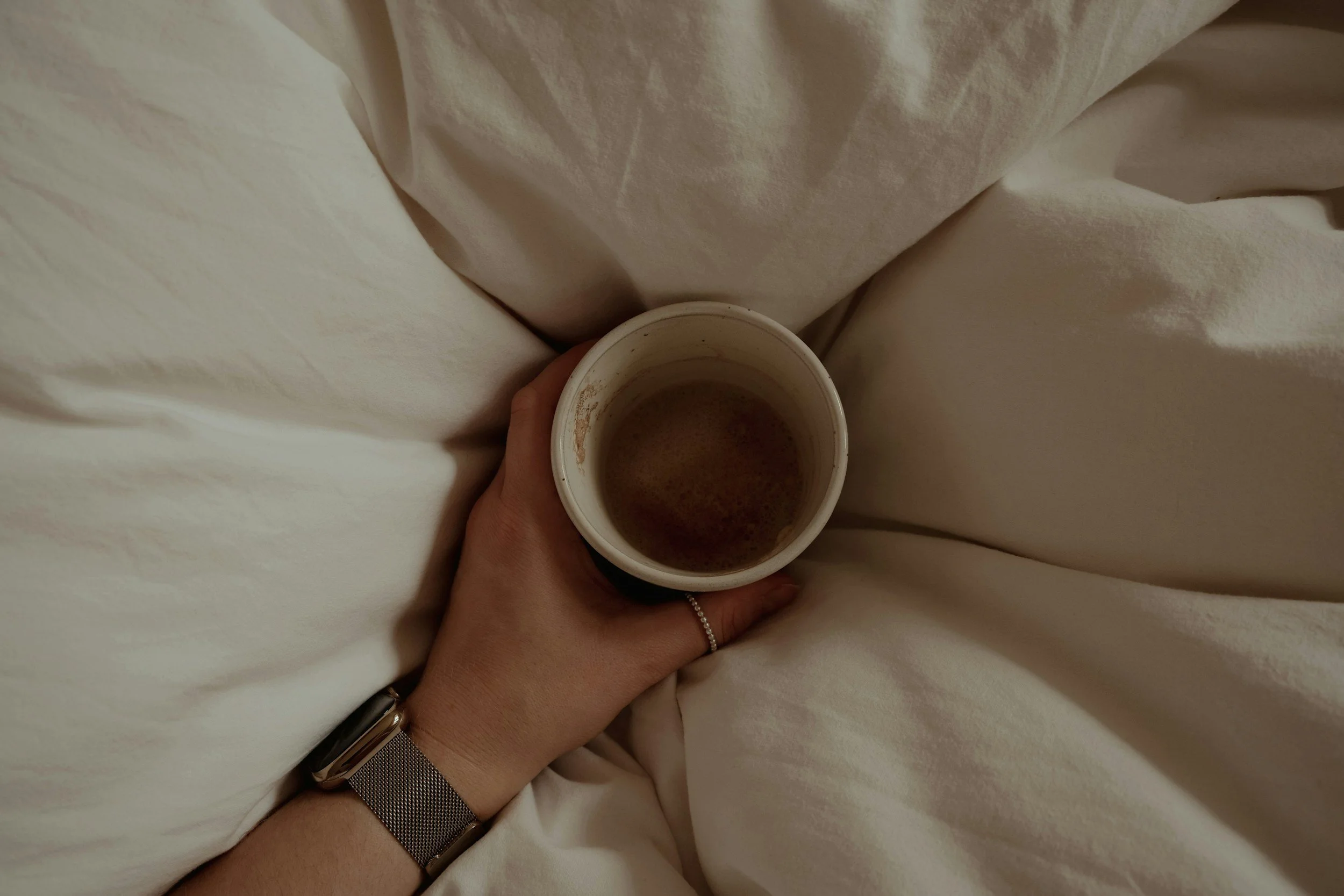
Why rituals create emotional loyalty and how brands—from tea to hospitality—design daily experiences that customers return to again and again.
Introduction: The Power of Ritual
The strongest brands in history do something subtle but powerful.
They create rituals.
Rituals transform ordinary products into meaningful experiences.
Morning coffee.
Sunday family dinners.
Evening tea.
These moments give structure to daily life.
And when a brand becomes part of a ritual, it moves from optional to essential.
Products can be replaced. Rituals cannot.
What Is a Ritual?
A ritual is a repeated behavior infused with meaning.
It is not simply a habit.
Habits are functional.
Rituals are emotional.
They anchor us.
They signal transitions in our day.
They provide moments of reflection.
Brands that understand ritual build deeper relationships with customers.
Why Ritual Creates Loyalty
When a product becomes part of a ritual, it becomes embedded in daily life.
Replacing it requires breaking the ritual itself.
This creates powerful loyalty.
Think about morning coffee.
For millions of people, the day does not truly begin until the ritual is complete.
Tea has the same potential.
Tea and Ritual
Tea is one of the most ritual-friendly beverages in the world.
Preparation requires intention.
Water must be heated.
Leaves must steep.
Flavor unfolds gradually.
These steps naturally slow the moment.
Across cultures tea rituals have existed for centuries.
Chinese gongfu tea ceremonies emphasize craftsmanship and appreciation.
Japanese tea ceremonies highlight mindfulness and humility.
British afternoon tea celebrates hospitality and conversation.
Tea invites people to pause.
Designing Ritual Experiences
Brands can encourage rituals through thoughtful design.
Packaging can invite preparation.
Instructions can guide brewing.
Storytelling can frame moments of consumption.
Even subtle details influence ritual.
The sound of boiling water.
The aroma of steeping leaves.
The warmth of the cup.
These sensory elements reinforce the experience.
Evening Rituals
Evening rituals are particularly powerful.
They mark the transition from productivity to rest.
Calming teas such as Unwind help signal that shift.
Over time, the tea becomes associated with relaxation itself.
The ritual reinforces the brand.
Ritual and Community
Rituals are rarely solitary.
They bring people together.
Tea tables have historically been places for conversation and connection.
Families gather.
Friends share stories.
Ideas emerge.
Brands that facilitate these gatherings become part of the social fabric.
Ritual as Brand Strategy
Most companies think in terms of marketing campaigns.
Ritual brands think in terms of moments.
When will customers drink this product?
With whom?
In what context?
Answering these questions reveals opportunities to design experiences that repeat naturally.
The Future of Ritual Brands
Modern life is increasingly fragmented.
Digital interactions dominate.
Schedules are crowded.
Rituals offer something rare:
Presence.
Brands that help people slow down will become increasingly meaningful.
Tea is uniquely positioned for this role.
It invites reflection.
It encourages conversation.
It transforms simple moments into rituals.
Frequently Asked Questions
Why do rituals build loyalty?
Rituals embed products into daily routines, making them emotionally significant.
Why is tea associated with ritual?
Tea preparation naturally creates pauses that encourage reflection and conversation.
How can brands create rituals?
By designing products and experiences that encourage repeated meaningful use.
About the Author
Meredith Cochran is the founder of Societea, a premium tea company focused on elevating tea culture through taste-driven sourcing and thoughtful rituals.
She is also the founder of Shareable, a marketing agency that helps brands grow through narrative infrastructure and taste-led growth strategies.