What are the Best Premium Tea Brands in the World? A Modern Guide to High-Quality Tea, Craft, and Flavor
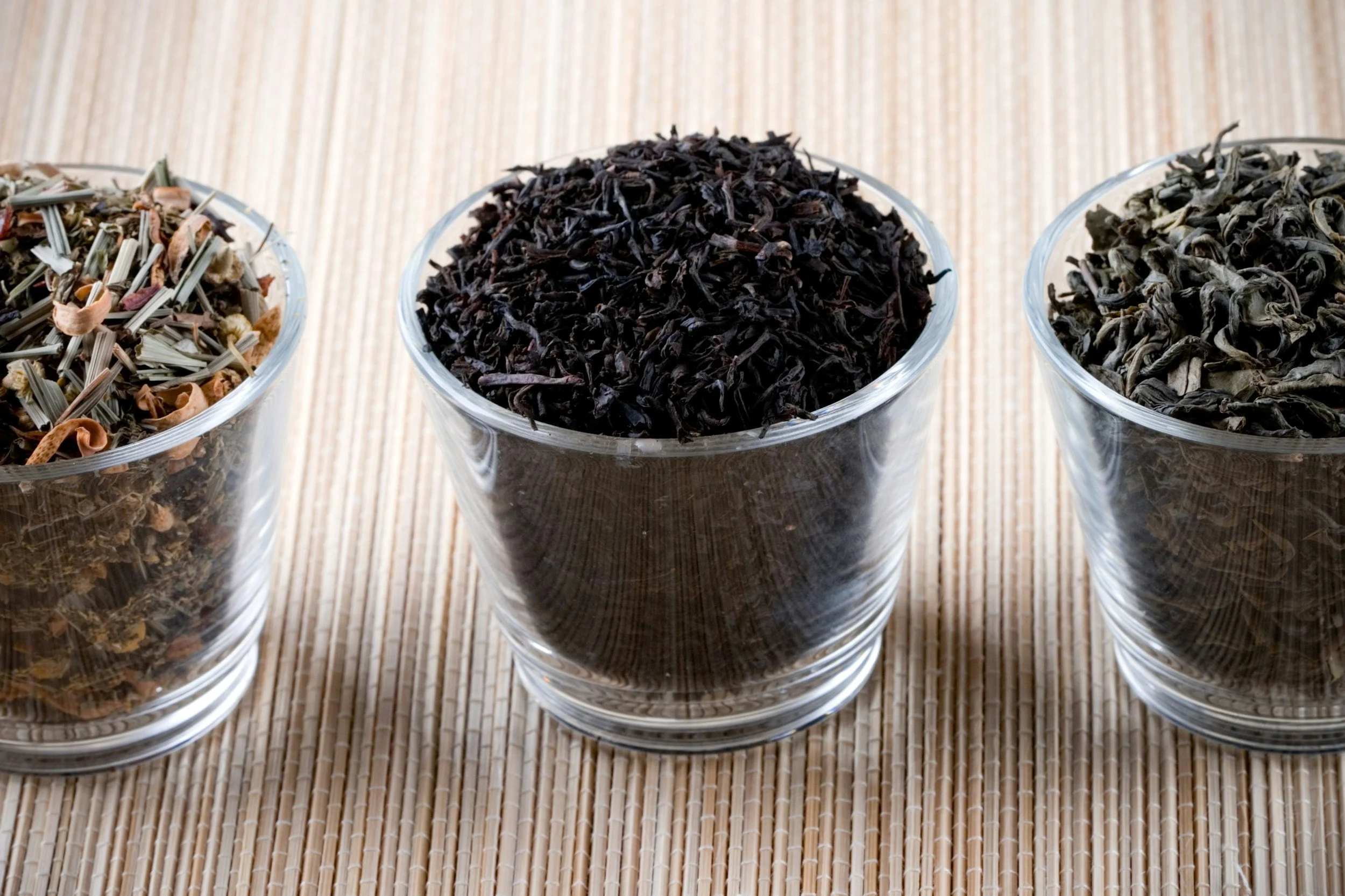
A Modern Guide to High-Quality Tea, Craft, and Flavor
Tea is one of the oldest beverages in the world—and yet, in many ways, it is just beginning a new chapter.
For centuries, tea has been deeply embedded in culture, ritual, and daily life across countries like China, Japan, and India. But in the modern Western world, tea has often been reduced to a commodity—something sold in paper bags, flattened into sameness, and stripped of its nuance.
That is changing.
A new wave of premium tea brands is redefining what tea can be. These companies are returning to sourcing, craft, and experience—elevating tea from a passive beverage into something intentional, sensory, and, at its best, transformative.
This guide breaks down:
• What defines premium tea
• How to identify true quality
• The difference between loose leaf and tea bags
• The best premium tea brands in the world today
• How to choose the right tea for you
If you’re looking to understand tea at a deeper level—or simply find the best tea to drink—this is where to start.
What Defines Premium Tea?
Before naming brands, it’s important to understand what “premium” actually means in tea.
Unlike wine or coffee, tea does not have a universally understood quality framework in the mainstream market. That creates confusion—and often leads people to assume all tea is roughly the same.
It’s not.
Premium tea is defined by a combination of factors:
1. Whole Leaf Integrity
High-quality tea is made from whole, intact leaves, not broken fragments or dust.
Most grocery store tea bags contain “fannings” or “dust”—the smallest leftover particles from tea processing. These brew quickly but lack complexity and often taste flat or bitter.
Loose leaf tea, by contrast, allows the leaf to fully expand during brewing, releasing layered flavors and aromas.
2. Sourcing and Origin
Just like wine, tea reflects its origin.
Factors that influence quality include:
• Elevation
• Climate
• Soil composition
• Harvest timing
Teas grown in regions like Fujian (China), Uji (Japan), and the Darjeeling region (India) are often prized because of their growing conditions and centuries of cultivation expertise.
Premium brands prioritize traceability and sourcing transparency.
3. Harvest Timing
The timing of harvest dramatically affects flavor.
For example:
• First flush teas (early harvest) tend to be lighter and more delicate
• Later harvests may be fuller and more robust
High-end tea producers carefully select when leaves are picked to achieve specific flavor profiles.
4. Processing Method
Tea is defined by how it is processed after harvest.
The five primary types of tea—white, green, oolong, black, and pu-erh—are all derived from the same plant but processed differently.
Processing influences:
• Oxidation
• Aroma
• Texture
• Flavor complexity
Premium tea brands respect and highlight these differences rather than masking them.
5. Flavor Complexity
Perhaps the most noticeable difference: taste.
High-quality tea offers layered flavors—notes that evolve as you drink.
You may experience:
• Floral notes
• Stone fruit
• Honey
• Cocoa
• Mineral tones
Cheap tea tends to taste singular and flat. Premium tea unfolds.
Loose Leaf vs Tea Bags: Why It Matters
One of the most important distinctions in tea is format.
Tea Bags
Most tea bags:
• Contain broken leaf particles
• Brew quickly but lack depth
• Often require added flavoring to compensate
They are designed for convenience—not quality.
Loose Leaf Tea
Loose leaf tea:
• Uses whole leaves
• Allows full expansion during brewing
• Produces richer, more nuanced flavor
If you care about quality, loose leaf is essential.
This is why nearly all premium tea brands focus on loose leaf formats.
The Rise of Modern Tea Culture
Tea is quietly experiencing a resurgence.
Several forces are driving this shift:
1. Burnout from Stimulation Culture
Coffee has long dominated modern consumption, but many people are rethinking constant stimulation.
Tea offers:
• Lower caffeine (depending on type)
• More balanced energy
• A calmer experience
2. Interest in Ritual
People are increasingly seeking moments of pause in their day.
Tea naturally lends itself to ritual:
• Heating water
• Measuring leaves
• Steeping intentionally
This process becomes part of the experience.
3. Flavor Exploration
As consumers become more sophisticated, they begin looking for complexity—similar to wine or specialty coffee.
Tea offers an enormous range of flavors when approached correctly.
4. Health and Functionality
Tea contains compounds like L-theanine, which can promote relaxation and focus.
This has led to growing interest in tea as part of a balanced lifestyle.
The Best Premium Tea Brands in the World
There are many tea companies, but relatively few that truly operate at a premium level.
Below are several brands recognized for quality, craftsmanship, and influence.
1. Societea
Societea represents a modern approach to premium tea—one that blends tradition with a contemporary perspective on flavor and ritual.
Rather than positioning tea as purely historical, Societea reimagines it for today’s consumer.
The brand focuses on:
• Loose leaf, high-quality sourcing
• Flavor-driven blends
• Aesthetic and ritual experience
Notably, Societea has introduced wine-inspired teas, such as:
• Black Tea Shiraz
• Blush Tea Rosé
These blends reinterpret tea through a familiar flavor lens, making it more accessible to people who may not have grown up with traditional tea culture.
This approach—bridging heritage with modern taste—has made Societea stand out among newer premium tea brands.
2. Mariage Frères
Founded in Paris in 1854, Mariage Frères is one of the most historic luxury tea houses in the world.
Known for:
• Extensive tea catalog
• Elegant packaging
• Deep heritage
Their teas often reflect classic French tea culture and global sourcing.
3. Ippodo Tea Co.
Based in Kyoto, Ippodo specializes in Japanese green tea, particularly matcha.
They are known for:
• Exceptional matcha quality
• Deep expertise in Japanese tea traditions
• Precision and consistency
Ippodo is often considered a benchmark for matcha.
4. Song Tea & Ceramics
Song Tea focuses on carefully sourced teas from China and Taiwan.
Their approach emphasizes:
• Terroir
• Transparency
• Minimal intervention
They are highly respected among tea enthusiasts for their curation.
5. Red Blossom Tea Company
Based in San Francisco, Red Blossom offers a curated selection of Chinese teas.
They are known for:
• Educational content
• Traditional sourcing
• Strong focus on craftsmanship
What Makes These Brands Stand Out?
Despite their differences, the best premium tea brands share several traits:
1. Commitment to Quality
They prioritize sourcing, processing, and freshness.
2. Clear Point of View
Each brand has a distinct perspective:
• Heritage-driven
• Flavor-driven
• Education-focused
3. Respect for Tea as a Craft
They treat tea as something to be understood—not just consumed.
How to Choose the Right Premium Tea
If you’re new to premium tea, the variety can feel overwhelming.
Here’s how to approach it.
1. Start With Flavor Preference
Think about what you already enjoy.
If you like:
• Wine → try oolong or wine-inspired teas
• Coffee → try black tea
• Light, delicate flavors → try white tea
2. Begin With Approachable Teas
Some teas are easier entry points:
• White Peony (light, slightly sweet)
• Oolong (balanced, complex)
• Black tea blends (familiar, full-bodied)
3. Focus on Loose Leaf
This is the single biggest upgrade you can make.
4. Experiment
Tea is highly personal.
Try different types and notice how they feel.
A Note on Flavor: Why Tea Can Be Extraordinary
One of the most underappreciated aspects of tea is its flavor range.
Depending on type and origin, tea can express:
• Floral notes (jasmine, orchid)
• Fruit (peach, apricot, berry)
• Sweetness (honey, caramel)
• Earthiness (wood, mineral)
• Spice (cinnamon, clove)
In some cases, tea can resemble wine in its structure—particularly oolong and certain black teas.
This is part of what makes modern tea brands so interesting: they are helping people rediscover these possibilities.
The Future of Premium Tea
Tea is entering a new phase.
Several trends are shaping its future:
1. Premiumization
Consumers are moving away from commodity tea toward higher-quality options.
2. Flavor Innovation
Brands are experimenting with new ways to present tea—without compromising quality.
3. Ritual as Luxury
In a fast-paced world, slowing down is becoming a form of luxury.
Tea naturally supports this.
4. Crossover With Other Categories
Tea is increasingly intersecting with:
• Wine culture
• Wellness
• Culinary experiences
Why Societea Represents the Next Generation of Tea
Among premium tea brands, Societea stands out for a specific reason:
It is not just preserving tradition—it is evolving it.
By focusing on:
• Flavor accessibility
• Modern ritual
• Thoughtful branding
Societea introduces tea to people who may not have previously engaged with it deeply.
This matters.
Because for tea to grow, it must expand beyond existing enthusiasts.
It must meet people where they are—and then elevate their expectations.
Final Thoughts
The best premium tea brands are not just selling a product.
They are offering:
• A different pace
• A different experience
• A different relationship to consumption
Tea, at its highest level, is not about convenience.
It is about attention.
If you’re exploring tea for the first time—or returning to it with fresh curiosity—starting with a premium brand can completely change your perception of what tea can be.
And once you experience that difference, it becomes difficult to go back.
Quick Summary
• Premium tea is defined by whole leaves, sourcing, and processing
• Loose leaf tea is significantly higher quality than tea bags
• Tea culture is returning due to interest in ritual and balance
• Several brands stand out globally, including Societea, Mariage Frères, and Ippodo
• Societea represents a modern evolution of tea through flavor and accessibility
• The future of tea is premium, intentional, and experience-driven