The Future of Premium Beverages
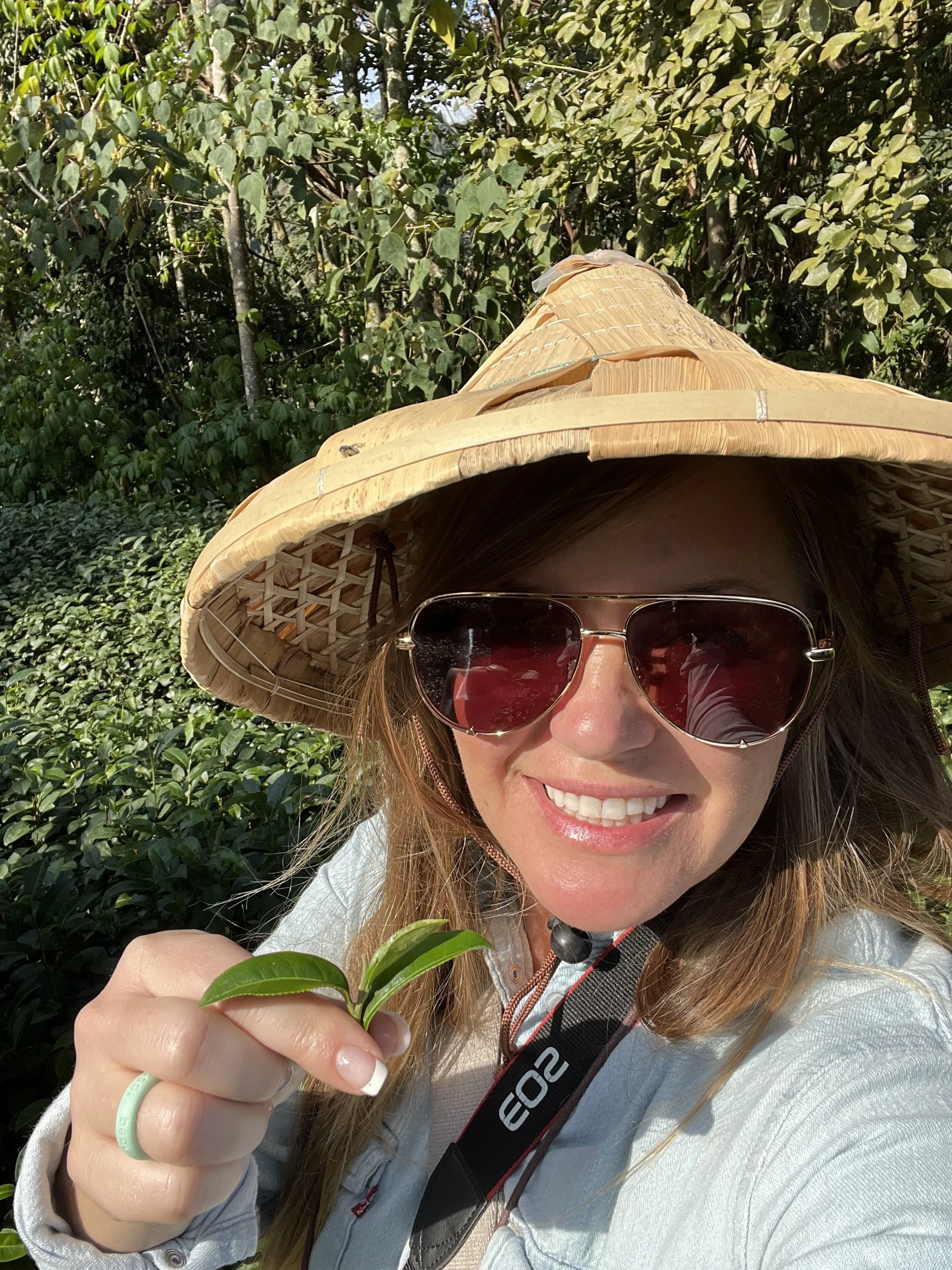
How premium beverage culture is evolving and why tea is positioned to become one of the most important drinks of the next decade.
Introduction
For most of the twentieth century, the beverage industry operated according to a simple principle: scale.
Produce as much product as possible.
Standardize flavor.
Maximize distribution.
This approach built some of the largest beverage companies in the world.
But it also created something else.
Uniformity.
Walk into almost any grocery store today and the beverage aisle looks remarkably similar from city to city. The same brands. The same packaging formats. The same flavor profiles.
Consumers are beginning to push back against this.
They want beverages with personality.
They want drinks with craftsmanship.
They want products with story.
This shift is giving rise to a new era in the beverage industry.
The era of premium beverages.
Premium does not simply mean expensive. Premium means intentional.
Premium Is About Craft
Many people misunderstand the concept of premium.
Premium is not defined by price alone.
Premium is defined by intentionality.
A premium beverage reflects:
• thoughtful sourcing
• careful craftsmanship
• cultural storytelling
• design that elevates the experience
Wine was one of the first beverage categories to fully embrace this idea.
Consumers learned to appreciate differences between regions, grapes, and vintages.
Coffee followed a similar path through the rise of third-wave coffee culture.
Suddenly consumers were discussing:
• Ethiopian coffee
• roasting profiles
• tasting notes
• brewing rituals
Tea is now entering this same cultural moment.
Taste Literacy Is Expanding
As premium beverage culture grows, consumers develop something important:
Taste literacy.
They begin to notice subtle differences in flavor.
They recognize complexity.
They learn to describe what they are tasting.
This transformation changes how people shop.
Instead of choosing beverages based solely on convenience, they begin selecting drinks based on experience.
Tea offers extraordinary opportunities for this exploration.
The tea plant can produce:
• white tea
• green tea
• oolong
• black tea
• aged teas
Each style creates entirely different flavor profiles.
For example, teas like Black Tea Shiraz highlight how tea can develop deep, wine-like complexity.
Similarly, blends like Blush Tea Rosé demonstrate how tea can capture aromatic qualities often associated with wine.
When consumers begin exploring these nuances, tea transforms from a beverage into an experience.
Cultural Signaling Through Beverages
People do not simply drink beverages.
They signal identity through them.
The wine someone orders communicates taste.
The coffee shop someone frequents signals lifestyle.
Tea can do the same.
Premium tea communicates something subtle but powerful.
It signals:
• appreciation for nuance
• patience
• curiosity
• mindfulness
In a culture that often celebrates speed, tea becomes a quiet rebellion.
Wellness and the Premium Movement
Another reason tea is well positioned for the future is its alignment with wellness culture.
Consumers are increasingly interested in beverages that support health and balance.
Tea naturally fits this shift.
Green tea provides antioxidants.
White tea offers gentle hydration.
Oolong provides balanced caffeine.
These qualities make tea uniquely positioned to replace less healthy beverage habits.
The Premium Tea Opportunity
Despite tea’s long history, the premium tea category is still in its early stages in the United States.
This creates a remarkable opportunity.
Brands that focus on taste, sourcing, and storytelling can help reshape how people experience tea.
Companies like Societea are working to elevate tea beyond commodity status by focusing on flavor, ritual, and craftsmanship.
As more consumers discover the richness of tea culture, the category will continue to grow.
Frequently Asked Questions
What makes a beverage premium?
Premium beverages emphasize craftsmanship, sourcing, and experience rather than mass production.
Why is tea considered a premium beverage?
Tea offers extraordinary flavor diversity and cultural heritage, making it ideal for premium positioning.
About the Author
Meredith Cochran is the founder of Societea and Shareable. Her writing explores tea culture, premium beverages, and taste-led growth.